Logistics News & 3PL Industry Updates
Browse by Category
FEATURED
Mid-Market DTC Brands Face Critical WMS Upgrade Decision at $30-65M Revenue
A Reddit discussion from a DTC brand VP reveals critical WMS upgrade challenges facing mid-market companies at $30-65M revenue. The conversation highlights common pain points including inadequate order routing, weak reporting, and integration difficulties that drive significant technology investment decisions.
Feb 23, 20264 min
Read article

INDUSTRY NEWS
The DIY AI Experiment: Why 3PLs Are Ditching Homegrown Solutions
Supply chain companies rushed to build custom AI tools in 2025, but most are now reconsidering that strategy. The reality of maintaining in-house AI systems proved more complex and expensive than anticipated. Industry observers predict 2026 will mark a shift toward vendor partnerships instead of DIY development.
Feb 23, 20262 min
Read article

Sleep Brand Achieves 340% Revenue Growth Through Strategic China-Based 3PL Partnership
A sleep products dropshipping business achieved 340% revenue growth in four months by switching to China-based 3PL RouteOne Fulfillment, demonstrating how strategic fulfillment partnerships can unlock cash flow and enable aggressive scaling while improving profit margins.
Feb 23, 20264 min
Read article

Reddit Post Exposes Critical Bundle Integration Gap Plaguing 3PL Operations
A Reddit post from an e-commerce retailer struggling with bundle promotions has exposed critical integration gaps between promotional strategies and warehouse management systems. The challenge highlights how sophisticated front-end marketing capabilities often overwhelm backend operational systems, creating significant fulfillment inefficiencies for 3PL providers.
Feb 17, 20264 min
Read article

Sleep Brand Achieves 340% Revenue Growth Through China-Based 3PL Strategy
A sleep products dropshipping brand achieved 340% revenue growth in four months by switching from distributed local 3PLs to a centralized China-based fulfillment strategy. The strategic move freed up capital, improved margins from 20% to 30%, and enabled aggressive scaling through technology-integrated fulfillment operations.
Feb 16, 20264 min
Read article

INDUSTRY NEWS
Premium Brands Face Packaging Quality Crisis in 3PL Fulfillment Services
A luxury candle brand's Reddit post has highlighted a critical gap in 3PL services: traditional fulfillment warehouses cannot maintain the packaging presentation standards that premium brands require. The incident exposes growing demand for specialized "white-glove" fulfillment services that prioritize brand presentation over processing efficiency.
Feb 12, 20263 min
Read article

E-Commerce Brand Owner's Viral Post Exposes Critical Fulfillment Scaling Challenge
An e-commerce brand owner's viral LinkedIn post about transitioning from in-house fulfillment to 3PL operations has highlighted widespread scaling challenges faced by growing businesses. The executive's candid assessment of becoming a "low-margin staffing agency" resonated across logistics communities, illustrating the critical point where operational complexity overwhelms strategic focus.
Feb 12, 20264 min
Read article
M&A
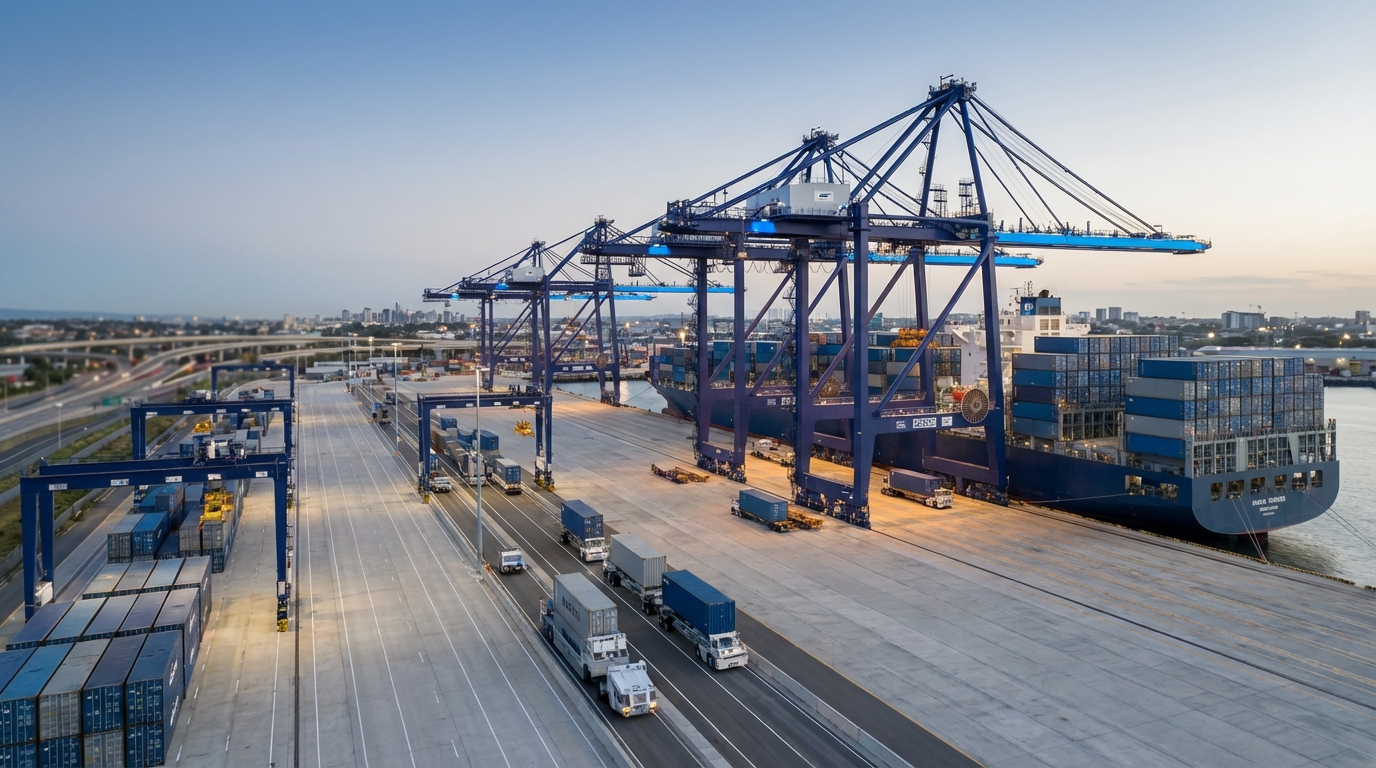
CMA CGM Sells 25% Stake in Port Terminals for $2.4B
French shipping giant CMA CGM is partnering with infrastructure investor Stonepeak on a new joint venture called United Ports. Stonepeak will invest $2.4 billion for a 25% minority stake in 10 CMA CGM-operated port terminals. The deal values CMA CGM's terminal portfolio at roughly $9.6 billion and represents one of the largest infrastructure investments in the maritime logistics sector this year.
Feb 12, 20262 min
Read article

INDUSTRY NEWS
E-commerce CEO's Viral Post Exposes Critical 3PL Transition Point
An e-commerce CEO's viral social media post about struggling with in-house fulfillment operations has highlighted a critical transition point where growing businesses must choose between major technology investments or 3PL partnerships. The executive's candid assessment of becoming a "low-margin staffing agency" resonated across logistics communities, exposing widespread challenges with multi-channel inventory management and rising operational complexity.
Feb 12, 20263 min
Read article

INDUSTRY NEWS
E-Commerce CEO's Viral Post Exposes Industry-Wide 3PL Transition Crisis
An anonymous e-commerce CEO's viral Reddit post about transitioning from in-house fulfillment to 3PL services has highlighted widespread operational challenges facing scaling businesses. The executive's candid assessment of becoming a "low-margin staffing agency" rather than focusing on brand growth reflects industry-wide pressures driving the shift toward outsourced logistics solutions.
Feb 11, 20263 min
Read article

INDUSTRY NEWS
WES Platforms Emerge as Critical Layer in Automated Warehouses
Warehouse execution systems are becoming the essential middleware connecting WMS platforms with automation equipment and robotics in modern fulfillment operations. These orchestration layers optimize real-time task allocation across automated and manual workflows. The technology addresses a key gap as 3PLs add more automation without replacing core WMS infrastructure.
Feb 10, 20262 min
Read article
INDUSTRY NEWS
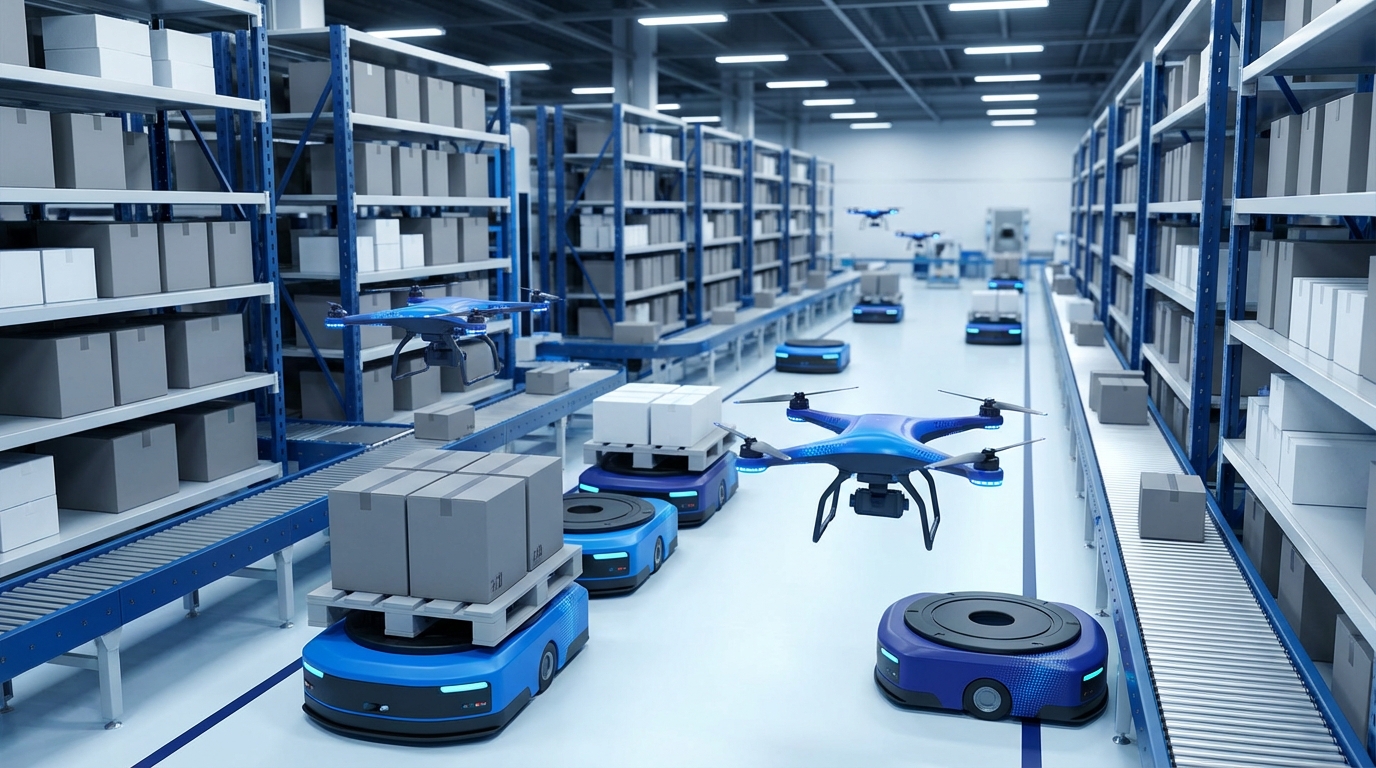
What 3PLs Get Wrong About Warehouse Drones
Autonomous warehouse drones are moving from pilot programs into production facilities, but logistics operators still hold outdated assumptions about implementation complexity, safety concerns, and operational disruption. Understanding what's actually true versus what's myth is becoming critical as the technology matures and competitors begin deployment.
Feb 10, 20262 min
Read article

COMPANY UPDATE
C.H. Robinson's AI Cuts LTL Missed Pickups by 42%
C.H. Robinson deployed AI agents to tackle missed LTL pickups, automating 95% of pickup checks and saving 350 hours of manual work daily. The technology has reduced unnecessary return trips by 42%, addressing a problem that creates costly ripple effects across LTL networks. The agents join a fleet of 30+ AI tools the 3PL has built for LTL operations.
Feb 10, 20262 min
Read article
COMPANY UPDATE
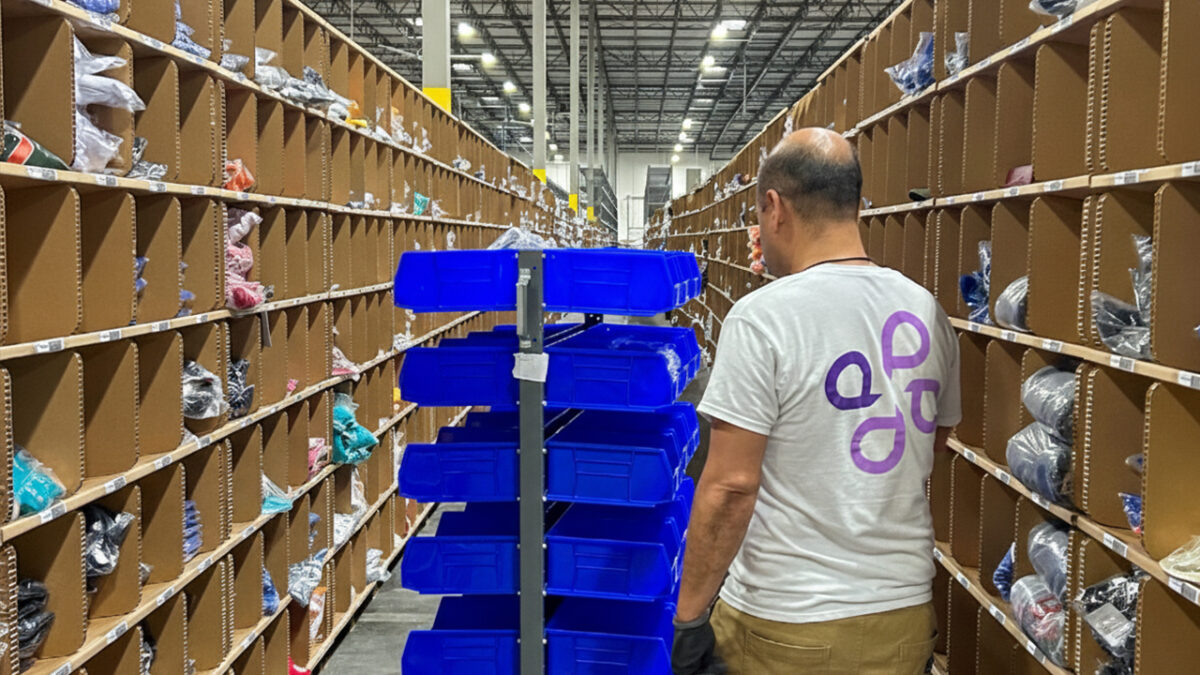
Retailers Exit 3PL Game as American Eagle, Office Depot Shutter Operations
American Eagle Outfitters is shutting down Quiet Logistics, its third-party fulfillment business acquired for $360 million in 2021, while Office Depot is also closing its 3PL operations. The moves raise questions about whether retailers can successfully compete in the logistics services market, leaving current customers scrambling for new fulfillment partners.
Feb 2, 20262 min
Read article
INDUSTRY NEWS
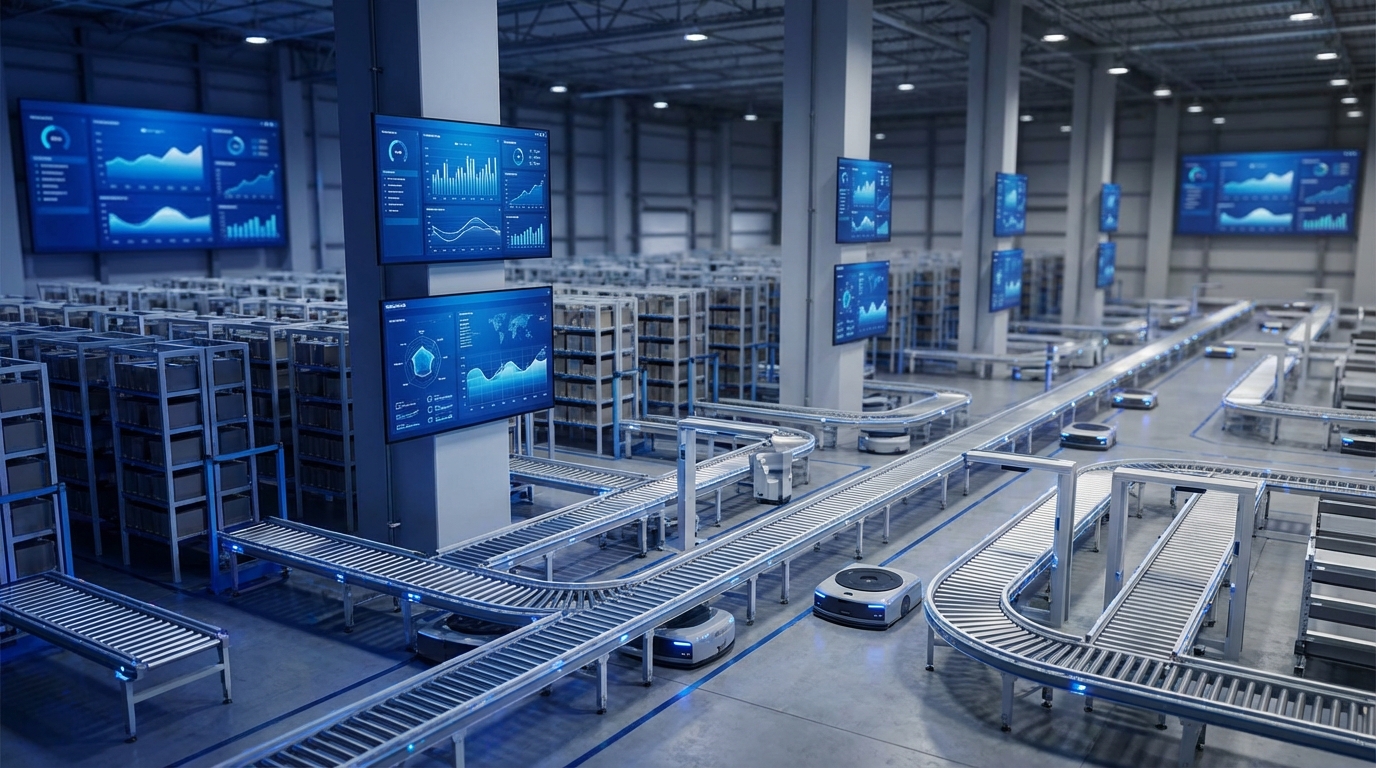
Mid-Market DTC Brands Hit WMS Scaling Wall at $30-65M Revenue Range
A VP of Operations' public struggle with warehouse management system limitations highlights a common pain point for rapidly growing DTC brands. The company's journey from $30M to $65M revenue reveals typical WMS scaling challenges that plague mid-market e-commerce operations.
Feb 2, 20264 min
Read article

INDUSTRY NEWS
Humanoid Robots Eye Warehouses, But Adoption Remains Under 5%
Warehouse automation is moving beyond traditional robotics as humanoid robots target logistics operations, with research firm IDTechEx projecting warehousing to become the second-largest adopter after automotive over the next decade. Despite the promise of handling repetitive tasks with precision and addressing labor shortages, actual deployment remains below 5% due to battery limitations, safety concerns, and limited field testing. Interact Analysis predicts cautious growth to 40,000 global shipments by 2032.
Feb 2, 20262 min
Read article

M&A
Realterm Drops $111M on Industrial Outdoor Storage Portfolio
Realterm acquired 22 industrial outdoor storage and high flow-through properties for $111 million from Atlanta-based Axis Partners. The 324,903-square-foot portfolio spans nine states with concentrations in Atlanta, Houston, and Laredo, and is currently 95% leased. The deal strengthens Realterm's position in key transportation and distribution corridors as freight patterns continue to shift.
Feb 2, 20262 min
Read article

COMPANY UPDATE
FedEx Freight Redefines Network Strategy Around Customers
FedEx Freight is shifting its network strategy from terminal count to door count as it prepares for its June spin-off from parent company FedEx. The move signals a focus on customer density over physical footprint, a strategic pivot that could reshape how LTL carriers measure network capacity. This customer-centric approach may force competitors to reconsider their own expansion strategies.
Feb 2, 20262 min
Read article

INDUSTRY NEWS
Three Supply Chain Headwinds 3PLs Need to Watch in 2026
Supply Chain Dive identifies tariff volatility, critical shortages, and capacity swings as the top challenges facing logistics networks in 2026. These interconnected pressures will test how quickly 3PLs can adapt their operations and help clients navigate uncertainty. Understanding these trends now helps providers position for the disruption ahead.
Feb 2, 20262 min
Read article

M&A
Körber Acquires Stellium in Supply Chain Software Play
Körber has acquired a majority stake in Stellium, forming a new global unit called Körber Stellium. The deal expands Körber's supply chain software capabilities and creates a combined entity focused on helping companies optimize their supply chain operations. The acquisition represents Körber's continued investment in supply chain technology solutions.
Feb 2, 20261 min
Read article