Logistics News & 3PL Industry Updates
Browse by Category
FEATUREDCOMPANY UPDATE
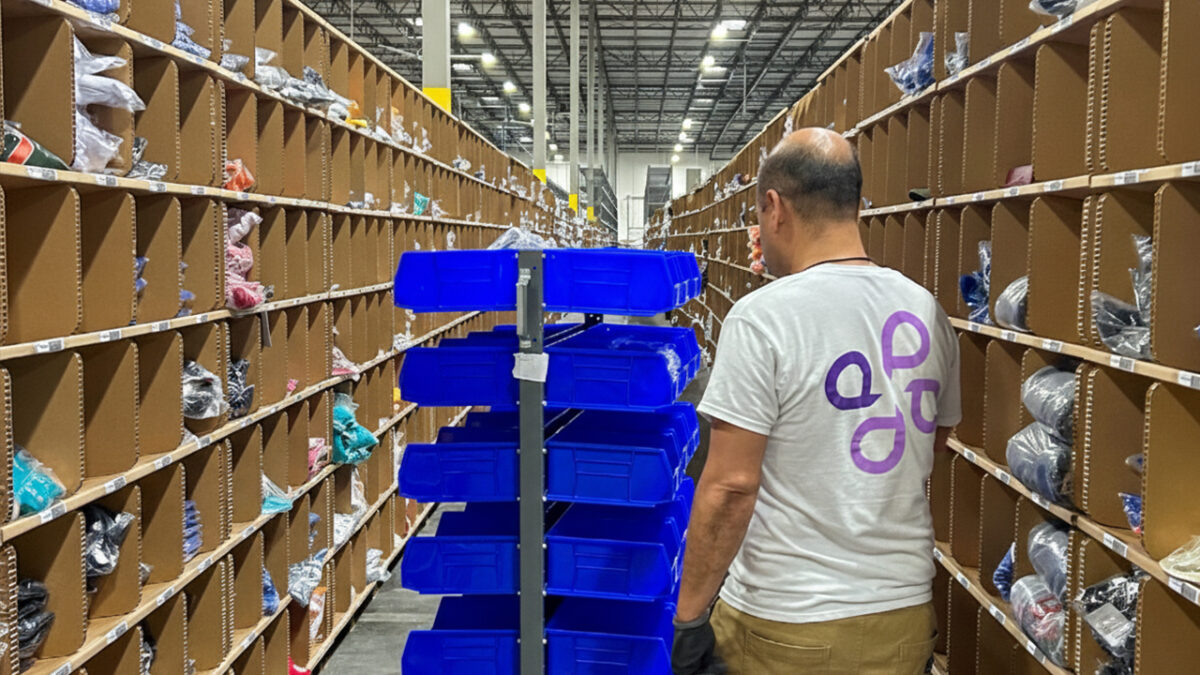
Retailers Exit 3PL Game as American Eagle, Office Depot Shutter Operations
American Eagle Outfitters is shutting down Quiet Logistics, its third-party fulfillment business acquired for $360 million in 2021, while Office Depot is also closing its 3PL operations. The moves raise questions about whether retailers can successfully compete in the logistics services market, leaving current customers scrambling for new fulfillment partners.
Feb 2, 20262 min
Read article
INDUSTRY NEWS
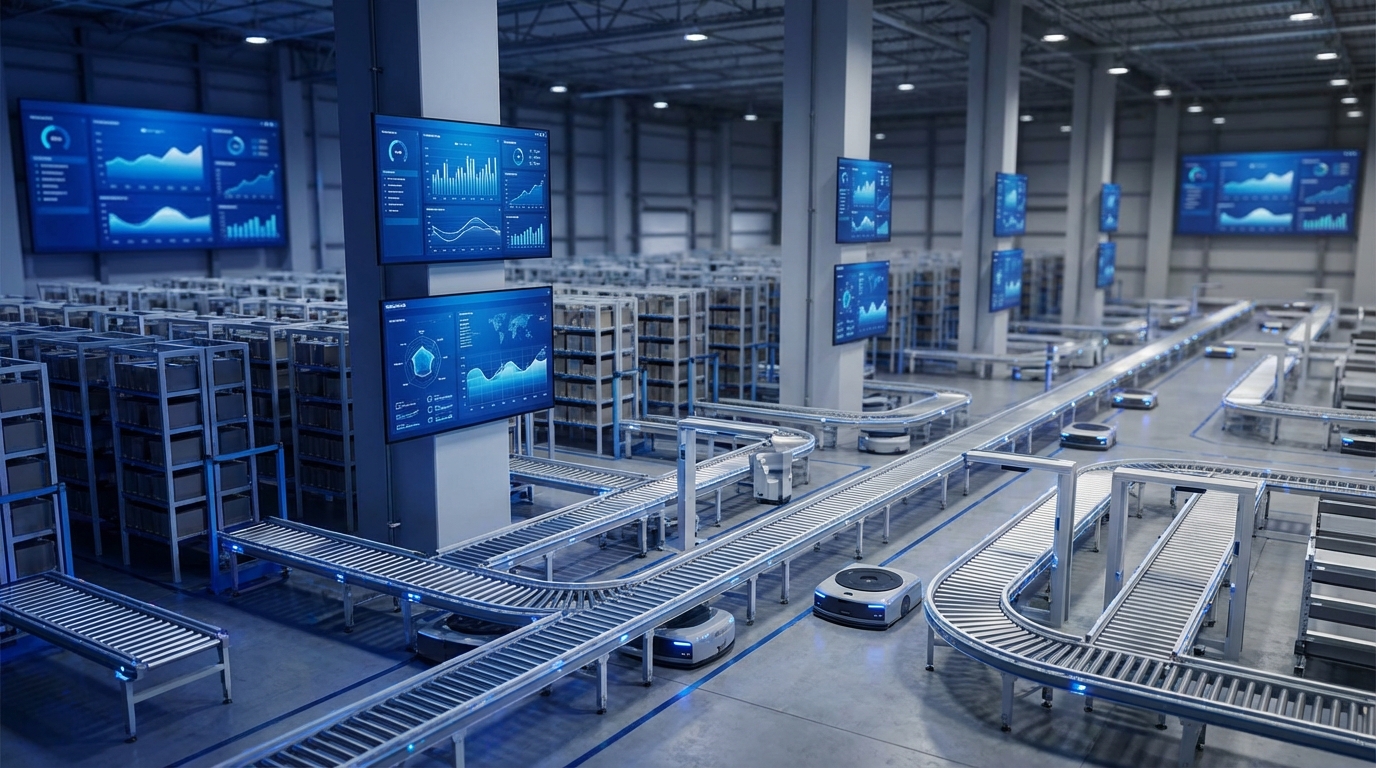
Mid-Market DTC Brands Hit WMS Scaling Wall at $30-65M Revenue Range
A VP of Operations' public struggle with warehouse management system limitations highlights a common pain point for rapidly growing DTC brands. The company's journey from $30M to $65M revenue reveals typical WMS scaling challenges that plague mid-market e-commerce operations.
Feb 2, 20264 min
Read article

INDUSTRY NEWS
Humanoid Robots Eye Warehouses, But Adoption Remains Under 5%
Warehouse automation is moving beyond traditional robotics as humanoid robots target logistics operations, with research firm IDTechEx projecting warehousing to become the second-largest adopter after automotive over the next decade. Despite the promise of handling repetitive tasks with precision and addressing labor shortages, actual deployment remains below 5% due to battery limitations, safety concerns, and limited field testing. Interact Analysis predicts cautious growth to 40,000 global shipments by 2032.
Feb 2, 20262 min
Read article

M&A
Realterm Drops $111M on Industrial Outdoor Storage Portfolio
Realterm acquired 22 industrial outdoor storage and high flow-through properties for $111 million from Atlanta-based Axis Partners. The 324,903-square-foot portfolio spans nine states with concentrations in Atlanta, Houston, and Laredo, and is currently 95% leased. The deal strengthens Realterm's position in key transportation and distribution corridors as freight patterns continue to shift.
Feb 2, 20262 min
Read article

COMPANY UPDATE
FedEx Freight Redefines Network Strategy Around Customers
FedEx Freight is shifting its network strategy from terminal count to door count as it prepares for its June spin-off from parent company FedEx. The move signals a focus on customer density over physical footprint, a strategic pivot that could reshape how LTL carriers measure network capacity. This customer-centric approach may force competitors to reconsider their own expansion strategies.
Feb 2, 20262 min
Read article

INDUSTRY NEWS
Three Supply Chain Headwinds 3PLs Need to Watch in 2026
Supply Chain Dive identifies tariff volatility, critical shortages, and capacity swings as the top challenges facing logistics networks in 2026. These interconnected pressures will test how quickly 3PLs can adapt their operations and help clients navigate uncertainty. Understanding these trends now helps providers position for the disruption ahead.
Feb 2, 20262 min
Read article

M&A
Körber Acquires Stellium in Supply Chain Software Play
Körber has acquired a majority stake in Stellium, forming a new global unit called Körber Stellium. The deal expands Körber's supply chain software capabilities and creates a combined entity focused on helping companies optimize their supply chain operations. The acquisition represents Körber's continued investment in supply chain technology solutions.
Feb 2, 20261 min
Read article

M&A
RobCo Raises $100M to Push AI Robotics Into U.S. Warehouses
German robotics startup RobCo secured $100 million in Series C funding to expand its Physical AI platform across U.S. manufacturing and logistics operations. The Munich-based company, which entered the U.S. market in 2025 with offices in San Francisco and Austin, is betting on self-learning robots that adapt without manual programming. The funding round was co-led by Lightspeed Venture Partners and Lingotto Innovation, with backing from Sequoia Capital and others.
Feb 2, 20262 min
Read article
INDUSTRY NEWS
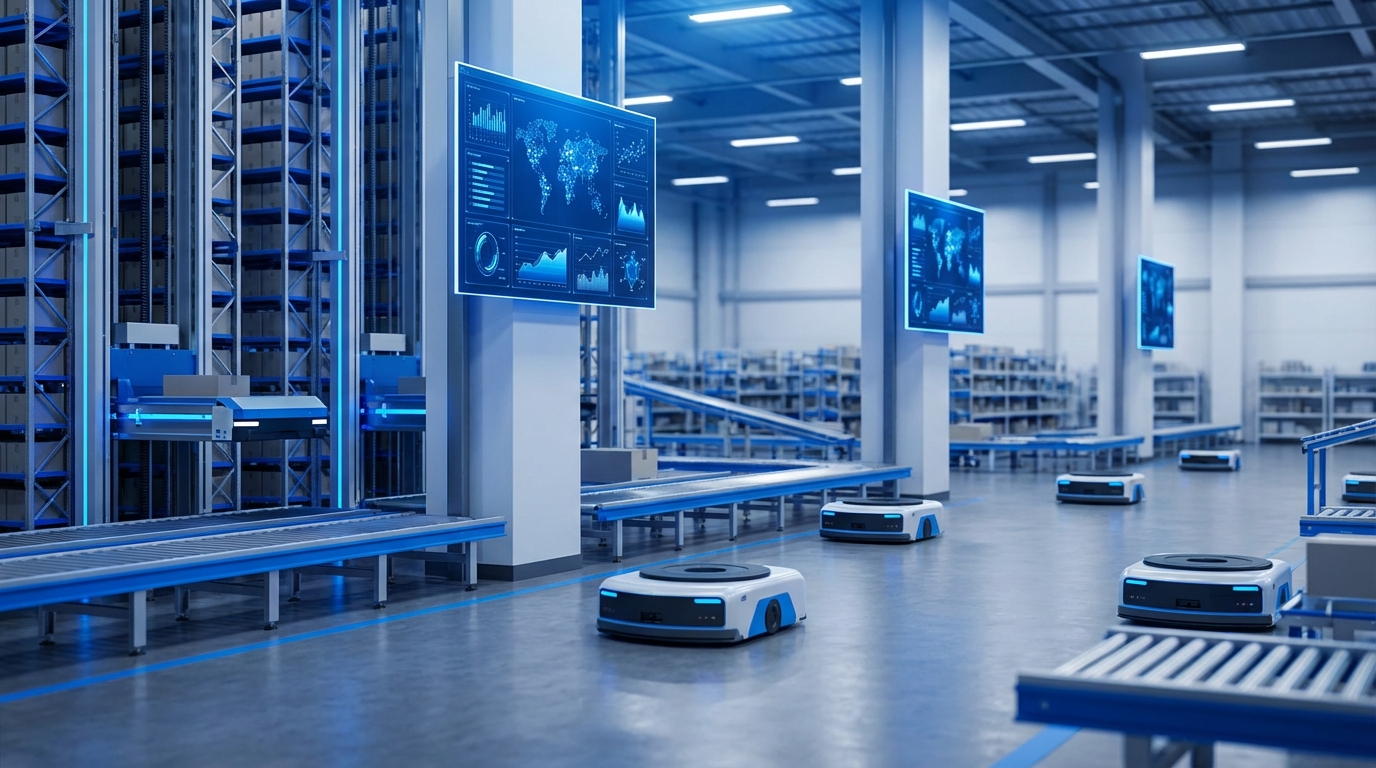
Automation Shifts From Cost-Saver to Growth Driver
The logistics industry is reframing automation from an efficiency tool to a strategic growth enabler. Companies now view automation as essential for scaling operations, improving decision-making, and creating value for customers and employees. This shift reflects the maturation of automation technology in supply chain operations.
Feb 2, 20262 min
Read article
INDUSTRY NEWS
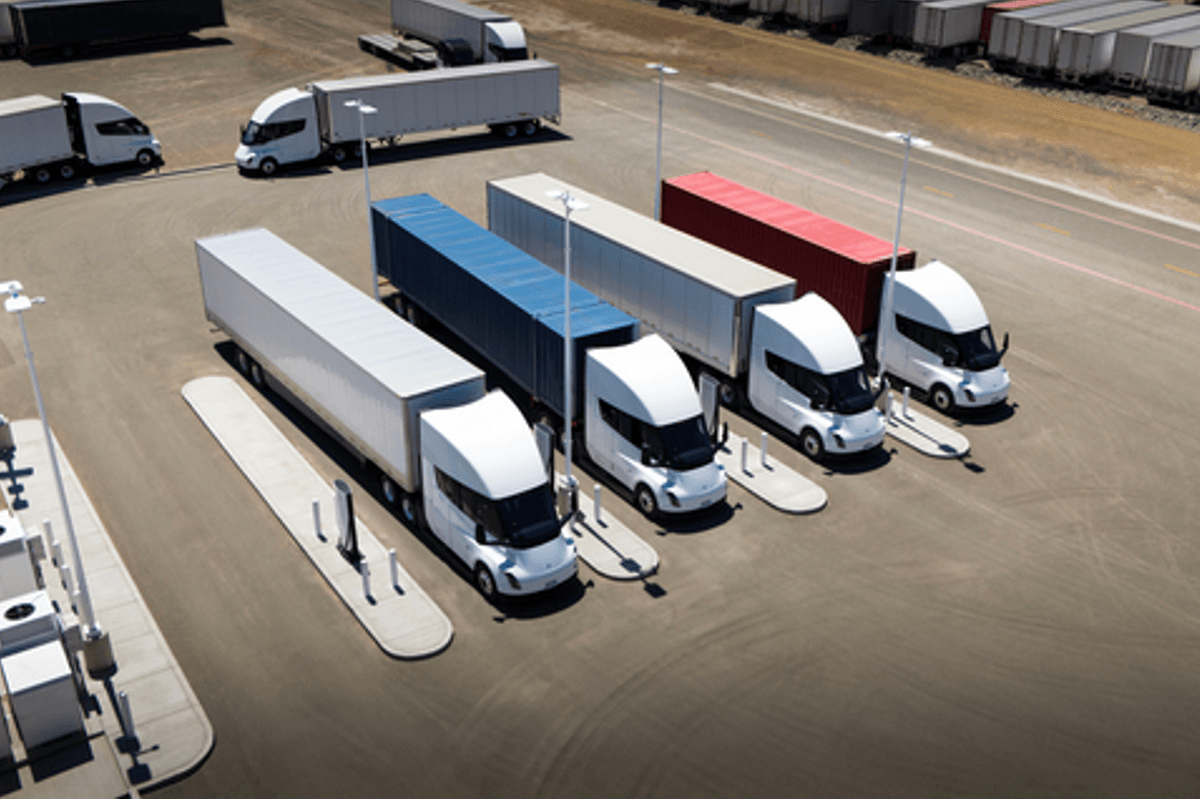
Tesla and Pilot Build Semi Charging Network Across Five States
Tesla is partnering with Pilot Travel Centers to install high-powered Semi Chargers at truck stops across California, Georgia, Nevada, New Mexico, and Texas starting in early 2026. The stations will feature 4-8 charging stalls delivering up to 1.2 megawatts per stall, designed to match drivers' mandatory break periods with charging times. Initially exclusive to Tesla Semis, the network may eventually support other electric truck manufacturers.
Jan 30, 20262 min
Read article

COMPANY UPDATE
Maersk Expands SoCal Footprint with New Fontana Hub
Maersk has opened a new ground freight hub in Fontana, California, aimed at accelerating trucking operations and strengthening its Southern California logistics network. The facility represents the shipping giant's continued investment in domestic ground transportation capabilities. The move positions Maersk to better serve the critical Inland Empire logistics corridor.
Jan 30, 20261 min
Read article

INDUSTRY NEWS
When to Know It's Time to Switch Your 3PL Partner
Growing ecommerce brands need to regularly evaluate whether their current 3PL still meets their evolving business needs. Key factors to assess include fulfillment capabilities, technology integration, and cost structure alignment. The decision to switch providers should be based on whether your current partnership supports your growth trajectory.
Jan 30, 20262 min
Read article

INDUSTRY NEWS
DHL Wins Postal Import Clearance Rights from US Customs
DHL's eCommerce and Global Forwarding divisions have received US Customs and Border Protection approval to handle postal import duties, joining dozens of qualified providers. The designation allows these carriers to collect and remit customs charges directly for international mail shipments. This move streamlines the clearance process for cross-border ecommerce packages entering through postal channels.
Jan 30, 20261 min
Read article

COMPANY UPDATE
UPS Doubles Down on Amazon Exit Strategy for 2026
UPS is extending its strategic pullback from Amazon deliveries into 2026, prioritizing network optimization and cost reduction over volume growth. The carrier continues reshaping its U.S. operations to focus on more profitable business segments. This represents a fundamental shift in how major carriers are evaluating e-commerce partnerships.
Jan 30, 20261 min
Read article

INDUSTRY NEWS
How AI is Actually Changing Transportation Management
Artificial intelligence is moving beyond hype in transportation management, with real applications in data analysis, operational efficiency, and real-time decision-making. The technology is shifting from basic automation to more sophisticated 'agentic AI' that can act autonomously. For 3PLs, this represents both an opportunity to improve operations and a competitive necessity as customers demand faster, smarter logistics.
Jan 30, 20262 min
Read article

INDUSTRY NEWS
Port Volumes Expected to Cool After January Surge
US ports are bracing for a spring slowdown after a January bump driven by Lunar New Year shipping activity. The National Retail Federation and Hackett Associates forecast year-over-year volume declines in the months following the holiday rush. The projection signals a return to more normalized import patterns after the front-loading frenzy that characterized early 2025.
Jan 30, 20261 min
Read article

INDUSTRY NEWS
AI Agents and Fraud Top Agenda at LTL Industry Gathering
Over 500 LTL professionals gathered in Atlanta this week for SMC³ JumpStart26, where artificial intelligence applications and industry fraud took center stage. C.H. Robinson unveiled AI agents that have automated 95% of missed pickup checks, saving 350 hours daily. FMCSA Administrator Derek Barrs also addressed the agency's efforts to combat widespread fraud affecting trucking safety.
Jan 30, 20262 min
Read article

INDUSTRY NEWS
IFOY Names 17 Finalists for Material Handling Innovation Awards
The IFOY competition has selected 17 finalists from 49 applications across eight countries for its 2026 material handling awards. Finalists will undergo live testing at the Test Camp Intralogistics in Dortmund on April 15-16, with winners announced June 25 in Stuttgart. The competition includes five product categories plus a startup category featuring four emerging companies.
Jan 30, 20262 min
Read article

INDUSTRY NEWS
Humanoid Robots Still Years Away from Warehouse Floors
Despite the buzz around humanoid robots in logistics, Gartner predicts most deployments over the next few years will be confined to highly controlled environments. The reality check comes as warehouse operators face pressure to automate but find humanoid technology still in early stages. The gap between hype and practical implementation remains significant for 3PL operations.
Jan 27, 20261 min
Read article

INDUSTRY NEWS
TMS Platforms Shift From Execution to Decision-Making Tools
Transportation management systems are undergoing a fundamental transformation in 2026, evolving beyond their traditional role as execution platforms. The shift is being driven by advances in artificial intelligence, automation capabilities, and changing carrier network dynamics. This evolution positions TMS as strategic decision-support tools rather than simply operational software.
Jan 27, 20262 min
Read article