Tesla Bets Big on Electric Trucking Infrastructure Despite EV Market Headwinds
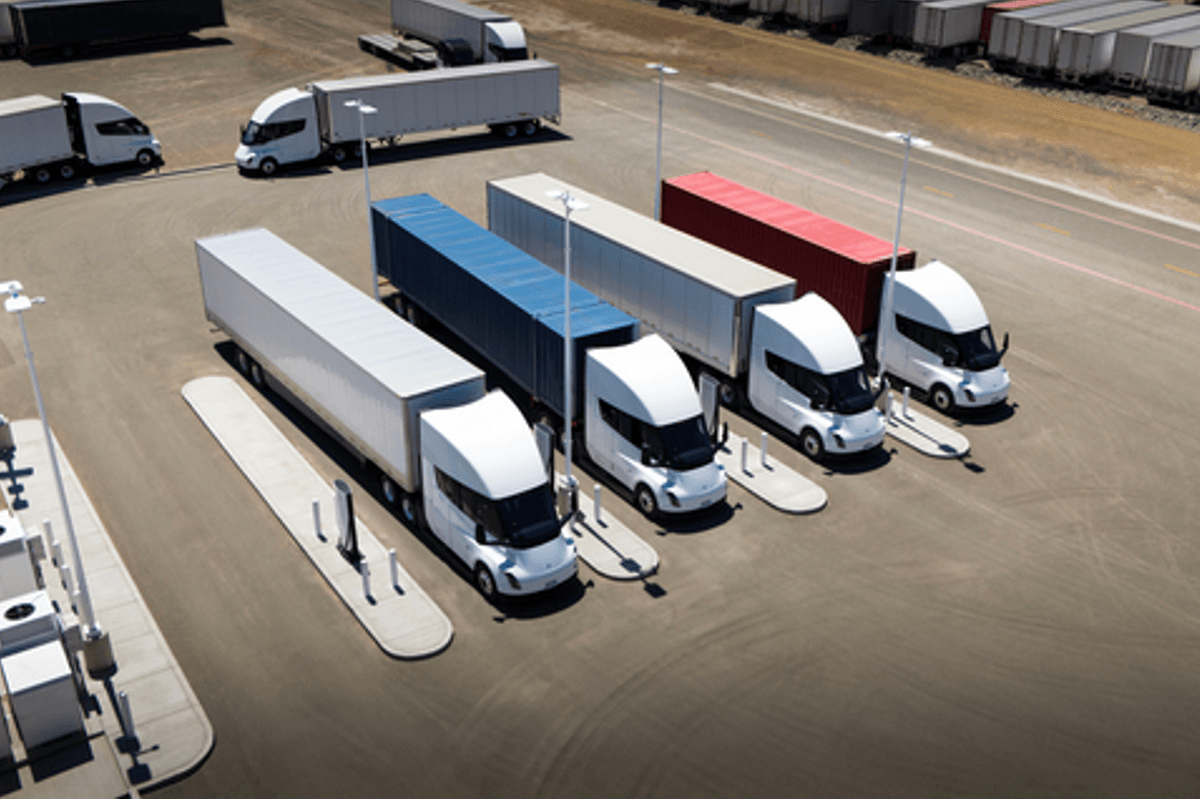
Tesla is moving forward with plans to build a dedicated charging network for its Semi trucks, partnering with Pilot Travel Centers to install high-powered charging stations at truck stops across five states. The announcement comes as Tesla prepares for volume production of the Semi in 2026, addressing one of the biggest hurdles to electric truck adoption: where to charge them.
Construction begins in the first half of 2026 at select Pilot locations in California, Georgia, Nevada, New Mexico, and Texas. The network will focus on major freight corridors including I-5, I-10, and other routes where heavy-duty charging demand is highest. The first stations are expected to open by summer 2026.
Each charging site will feature four to eight stalls equipped with Tesla's V4 cabinet technology, delivering up to 1.2 megawatts of power per stall. According to Tesla, that's enough to restore the majority of a Semi's 500-mile range in a 30-minute charging session—timing that aligns with federally mandated break periods for professional drivers.
Strategic Timing for Fleets
The infrastructure play addresses a practical challenge for fleet operators: how to integrate charging into existing driver schedules without adding downtime. By locating chargers at truck stops and matching charge times to required rest breaks, Tesla is attempting to minimize the operational disruption of switching to electric.
Initially, the network will only support Tesla Semi trucks, though the companies left the door open for compatibility with other manufacturers' heavy-duty electric vehicles in the future. That exclusivity could be a sticking point for 3PLs and carriers looking to diversify their electric truck fleets across multiple brands.
The expansion comes at an interesting moment for the EV market. Industry analysts are predicting slower electric vehicle sales growth in 2025 due to reduced federal incentives, new tariffs on vehicles, and the rollback of emissions standards. Yet both Tesla and Pilot say demand for alternative fuels continues to grow across North America, with Pilot already investing in hydrogen, renewable diesel, and higher-blend biodiesel alongside electrification.
For logistics operators watching the electric truck space, the charging infrastructure question has always been as important as the vehicles themselves. This partnership represents a significant commitment to solving that puzzle—at least for Tesla's ecosystem.