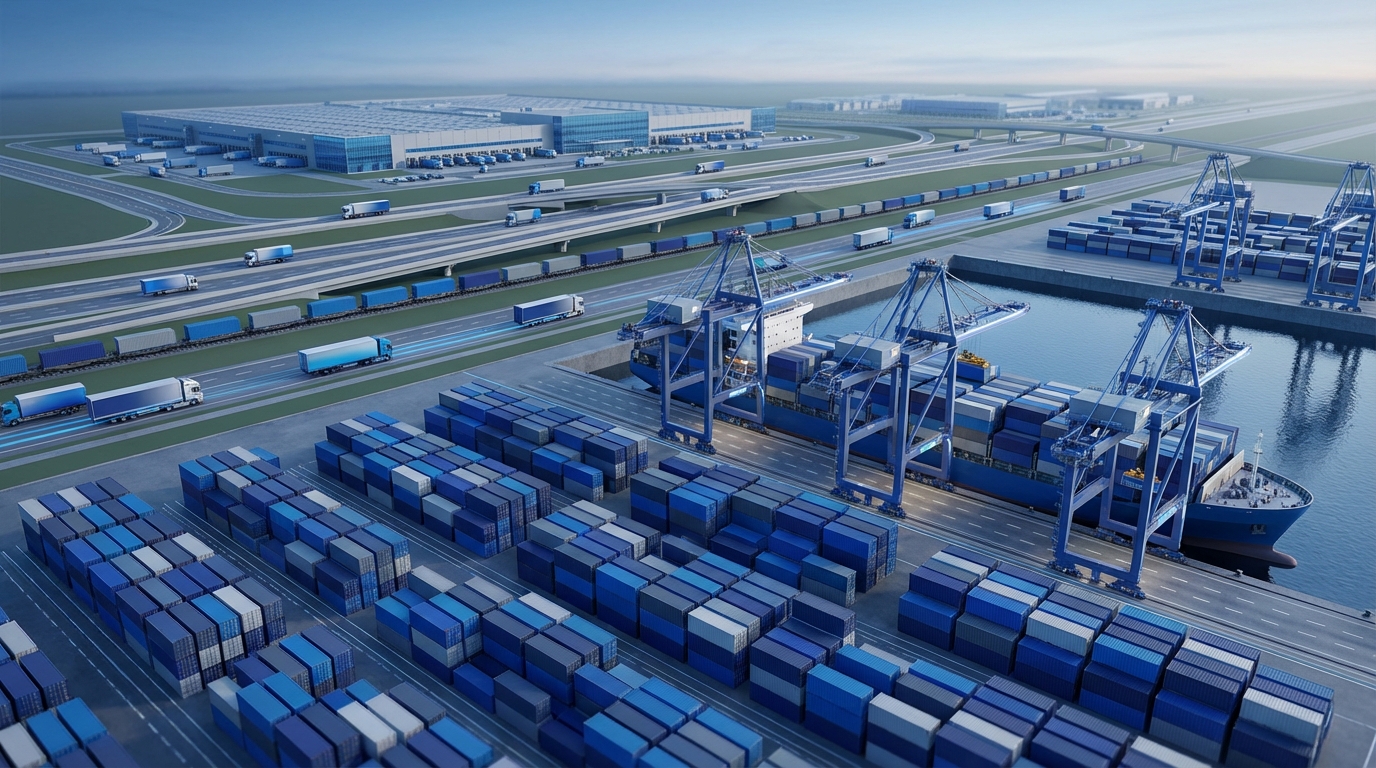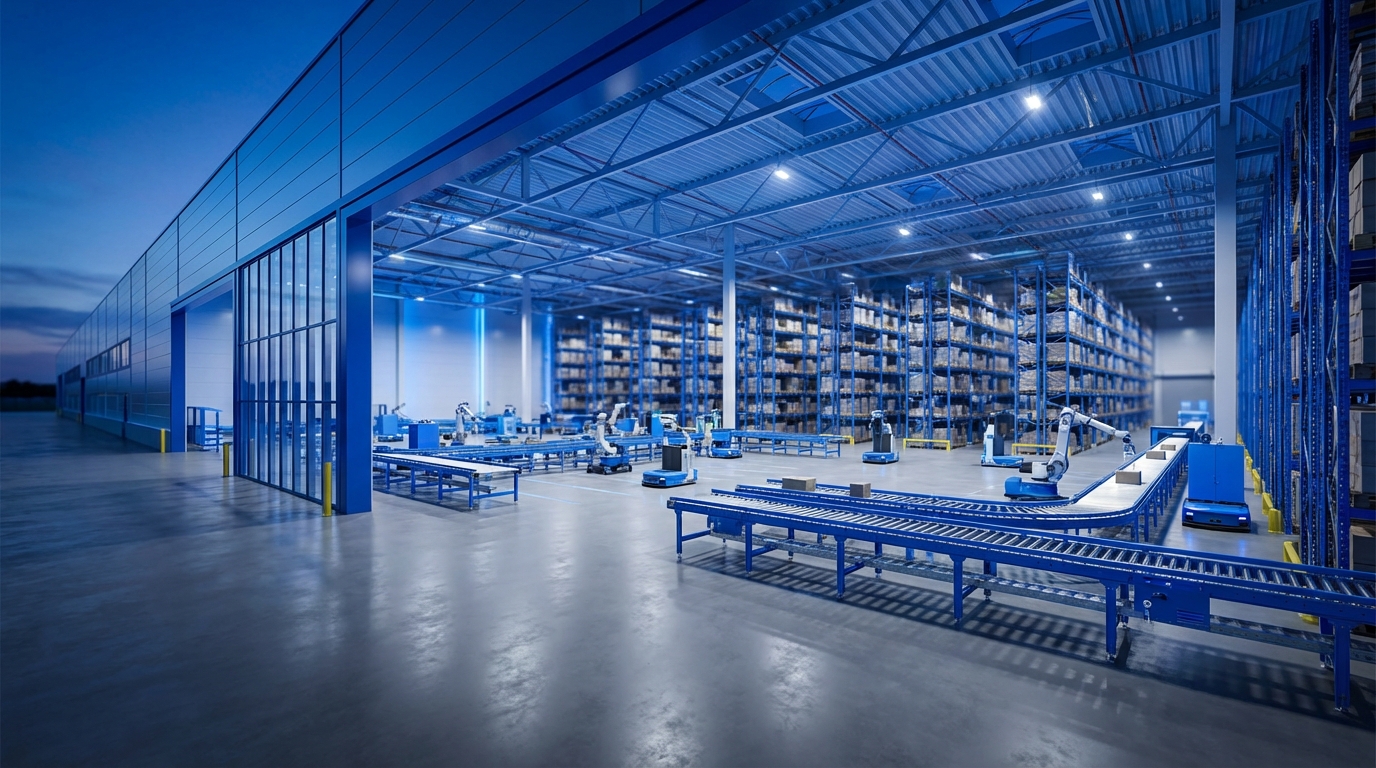
A revealing discussion on Reddit's e-commerce community has highlighted a critical inflection point facing rapidly scaling direct-to-consumer brands: the challenging decision of when to upgrade warehouse management systems as operational complexity outpaces technology capabilities.
The conversation, initiated by a VP of Operations whose DTC brand has doubled from $30 million to $65 million in annual revenue over two years, underscores the operational bottlenecks that emerge when companies outgrow their initial warehouse management systems. Operating four warehouses across the US while managing sales through direct-to-consumer channels, Amazon, and major retailers including Target and Nordstrom, the company now faces international expansion into Canada and the UK—a complexity their current system cannot efficiently handle.
"Our current WMS was fine when we were at 20M but now it's showing cracks everywhere," the operations executive wrote. "The order routing logic is too simplistic so we're not optimizing fulfillment costs, the reporting is weak so I can't get good visibility into inventory turns or slow movers, and integration with new sales channels takes forever."
This scenario reflects broader market dynamics in the warehouse management system sector, which industry analysts project will grow from $4.57 billion in 2025 to $10.04 billion by 2030 at a 17.1% compound annual growth rate. The expansion is driven by increasing operational complexity as brands scale across multiple channels and geographic markets.
The executive's dilemma—weighing a mid-six-figure investment and six-month implementation timeline against mounting operational inefficiencies—illustrates strategic challenges facing mid-market e-commerce companies. Industry data indicates WMS implementations typically cost between $500,000 and $800,000 for complex, multi-location operations, with payback periods generally ranging from 6 to 12 months for mid-sized distribution centers.
The $30-65 million revenue range appears to be a common trigger point for WMS upgrades, particularly when combined with multi-warehouse operations and international expansion plans. Companies at this scale typically experience several critical pain points: inadequate order routing optimization that increases fulfillment costs, insufficient reporting capabilities for inventory analytics, integration challenges that delay new channel adoption, and system performance degradation under increased transaction volumes.
Market pressures are intensifying these upgrade decisions. DTC brands must compete with Amazon-level logistics capabilities while maintaining margins across an increasingly complex channel mix. Advanced WMS features including AI-driven inventory optimization, real-time multi-location visibility, and seamless integration capabilities are transitioning from competitive advantages to operational necessities.
For third-party logistics providers and fulfillment partners, these mid-market scaling challenges represent both opportunities and operational complexities. As DTC brands outgrow basic WMS capabilities, they require more sophisticated fulfillment partnerships and technology integrations. The convergence of multi-channel complexity, international expansion, and rapid growth creates demand for flexible, scalable warehouse management solutions that can adapt to evolving business models.
The timing question—whether to upgrade proactively or wait until operational pain becomes severe—reflects broader industry tensions around technology investment. While delayed upgrades can result in lost efficiency and missed expansion opportunities, premature investments in oversized systems can strain resources. The key consideration involves selecting platforms that can scale effectively to $100 million and beyond, avoiding repeated system overhauls.
Industry experts suggest that companies experiencing significant order routing inefficiencies, limited reporting capabilities, or integration bottlenecks should prioritize WMS evaluation, particularly when planning international expansion or adding new sales channels. The cost of operational inefficiency often exceeds implementation investments, especially for rapidly growing brands managing complex fulfillment networks.
As the e-commerce landscape continues evolving, the transparency demonstrated in online industry discussions provides valuable insights into common scaling challenges. The conversation highlights how operational decision-making in the mid-market segment drives broader demand for innovative warehouse management solutions and implementation methodologies.
📰 Source: This article is based on content from Unknown Source.