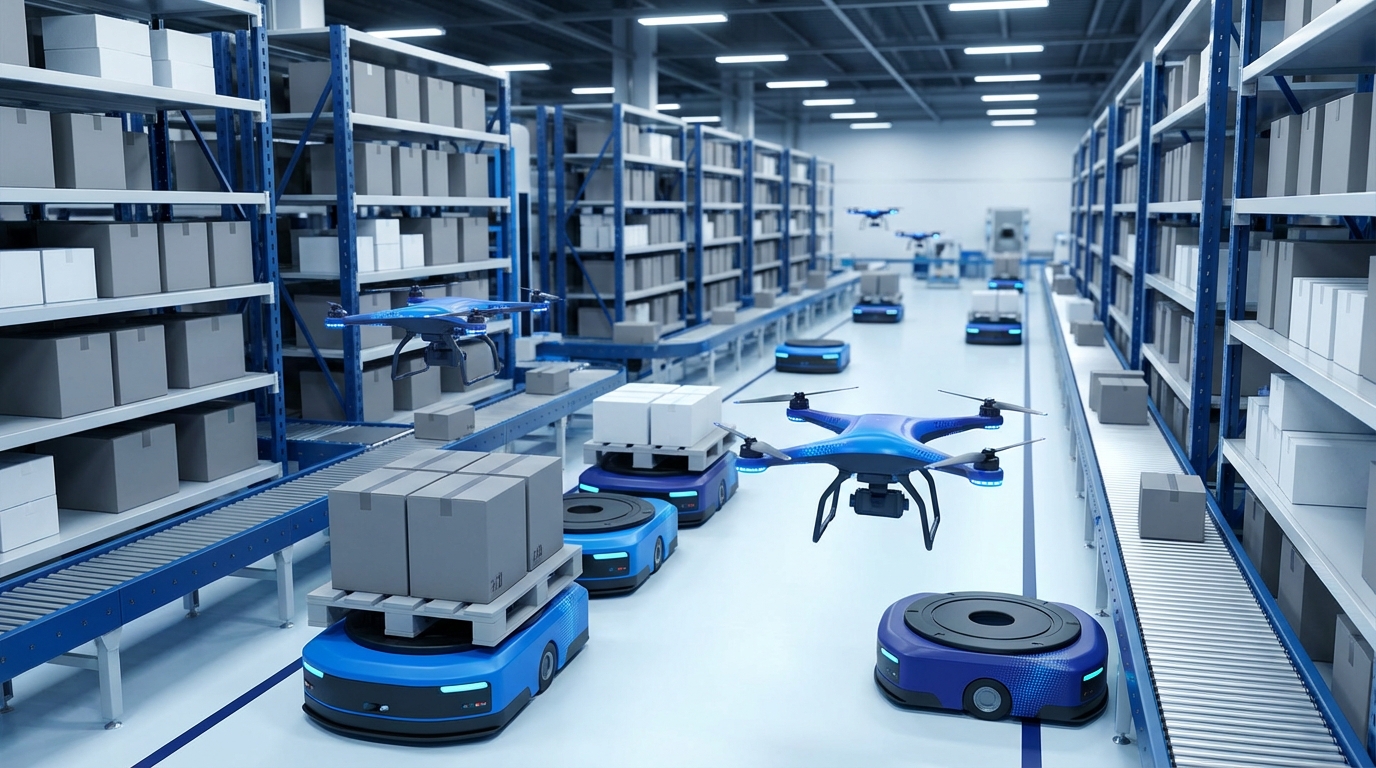
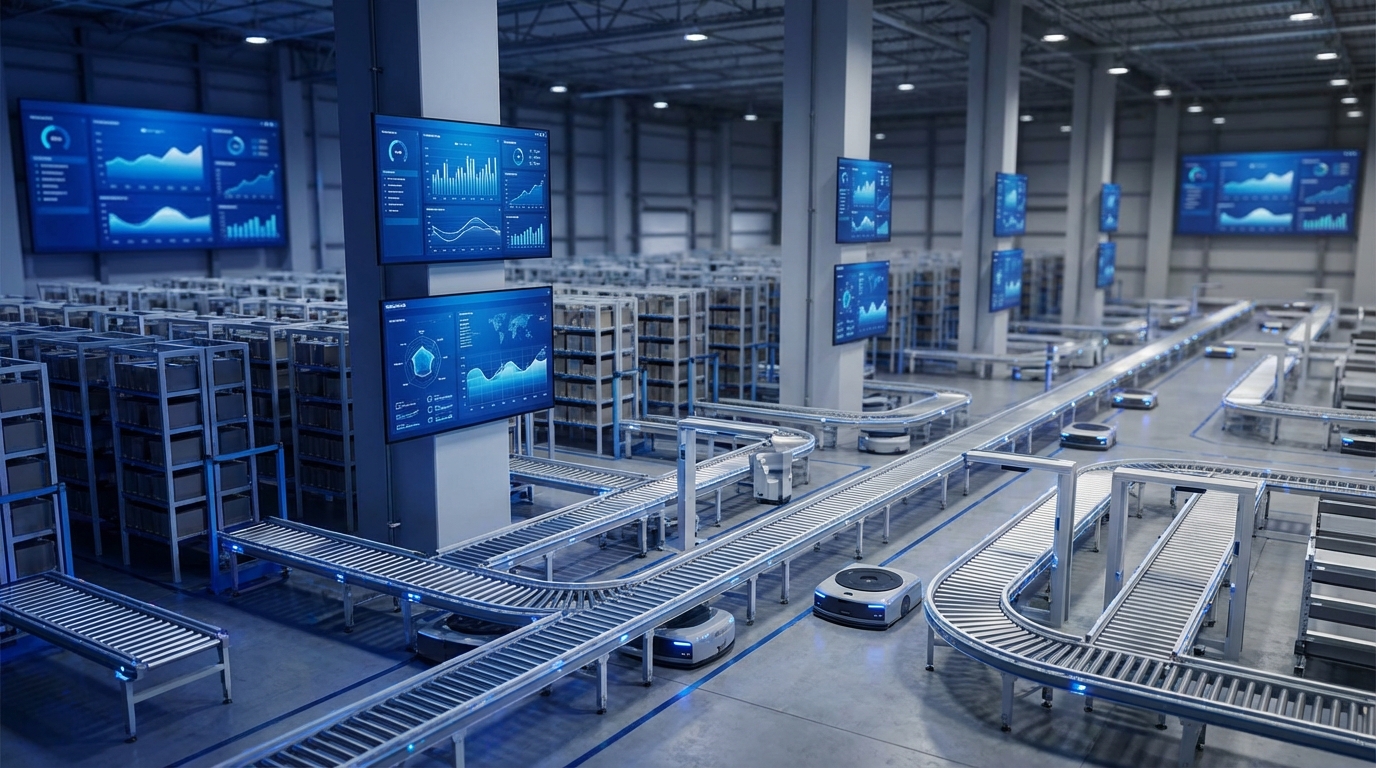
A growing e-commerce brand owner's candid assessment of their struggling in-house fulfillment operations has resonated across the logistics industry, exposing a critical inflection point where operational complexity overwhelms strategic focus for scaling businesses.
In a viral social media post that sparked widespread discussion among logistics professionals, the unnamed executive detailed how their company had transformed from a focused brand into what they described as a "low-margin staffing agency," plagued by $2,000 mis-pick incidents, inventory discrepancies, and mounting payroll complications.
"I've realized I'm no longer running a brand actually, I've been running a low-margin staffing agency," the business owner wrote. "Managing the 'human element' and rising labor rates is killing our scale. I'd like to know how you handle inventory forecasting, multi-channel order management, and FBA shipment creation across Amazon, Shopify, and Walmart in one portal. I really need to be a CEO again, not a warehouse manager."
Technology Gap Drives Strategic Rethink
The post illuminates a widespread challenge where e-commerce businesses outgrow their initial fulfillment capabilities but struggle to justify the technology investments required for effective in-house logistics. Industry data indicates this transition point typically occurs when businesses require unified inventory management across multiple platforms including Amazon FBA, Shopify, and Walmart Marketplace.
The executive's frustration with spreadsheet-based inventory management and manual order processing represents operational bottlenecks that established competitors have already addressed through 3PL partnerships or significant technology investments. Following community feedback, the business owner identified Shelf Cloud 3PL as a potential solution, noting the provider combines physical fulfillment services with integrated technology platforms.
Industry-Wide Scaling Pressures
The viral response across logistics communities confirms this transition point affects numerous growing e-commerce businesses. Discussion threads reveal similar cost-benefit struggles with in-house versus outsourced fulfillment, particularly as labor costs rise and multi-channel complexity increases.
"The margin point is huge too - if you're making $8 profit per order and a 3PL costs you $4 all-in, you're not really making money either way," observed one logistics community member, highlighting the economic pressures driving fulfillment decisions.
However, industry analysis suggests successful 3PL transitions often provide access to economies of scale and carrier negotiation power that individual businesses cannot achieve independently. The strategic shift from fixed operational costs to variable fulfillment expenses also enables improved cash flow management during growth phases.
Strategic Business Model Evolution
The transition from in-house to 3PL operations represents more than operational outsourcing—it reflects a fundamental shift from asset-heavy to asset-light business models. This transformation allows leadership teams to refocus on core competencies including brand development, marketing, and product innovation rather than logistics infrastructure management.
As e-commerce evolves toward omnichannel fulfillment requirements, businesses face mounting pressure to either invest significantly in internal capabilities or partner with specialized 3PL providers offering integrated technology solutions. The widespread resonance of this executive's announcement suggests many growing brands are reaching similar conclusions about where their competitive advantages truly lie.
The logistics industry continues witnessing this fundamental shift as scaling e-commerce businesses recognize that effective fulfillment requires either substantial technology investment or strategic partnerships with providers who have already made those investments. For many growing brands, the choice increasingly favors focusing resources on what they do best while leveraging 3PL expertise for operational excellence.
📰 Source: This article is based on content from Unknown Source.
Additional research from 4 sources consulted for context and accuracy.