The Missing Layer Between Your WMS and Automation Equipment
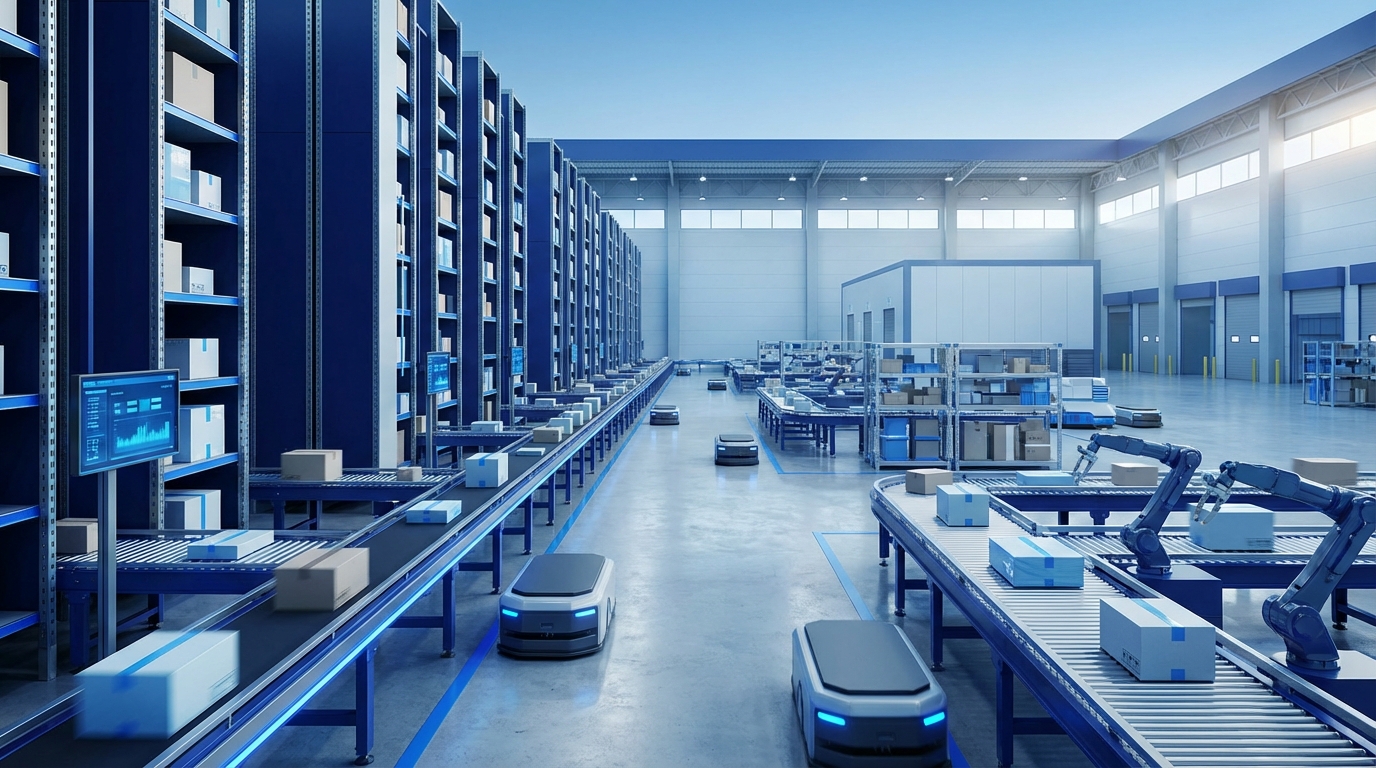
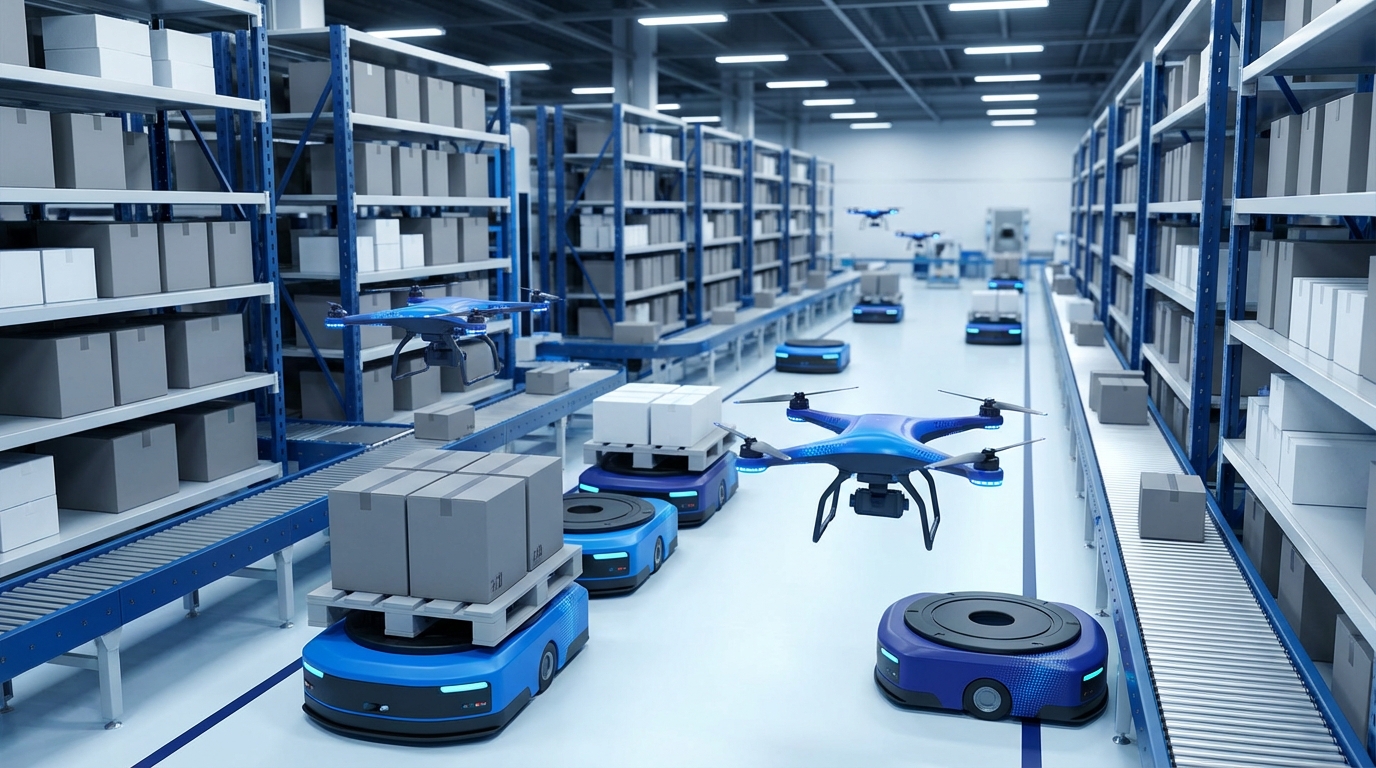
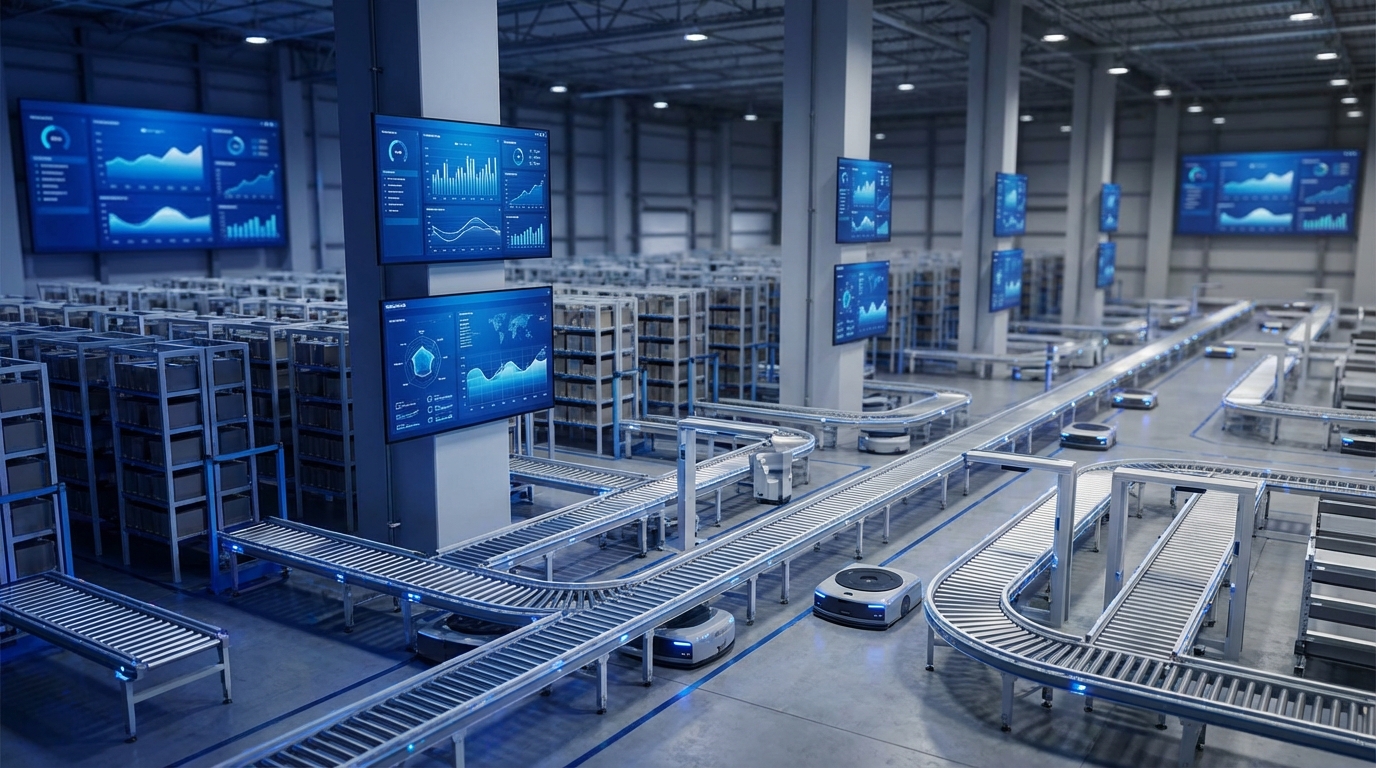
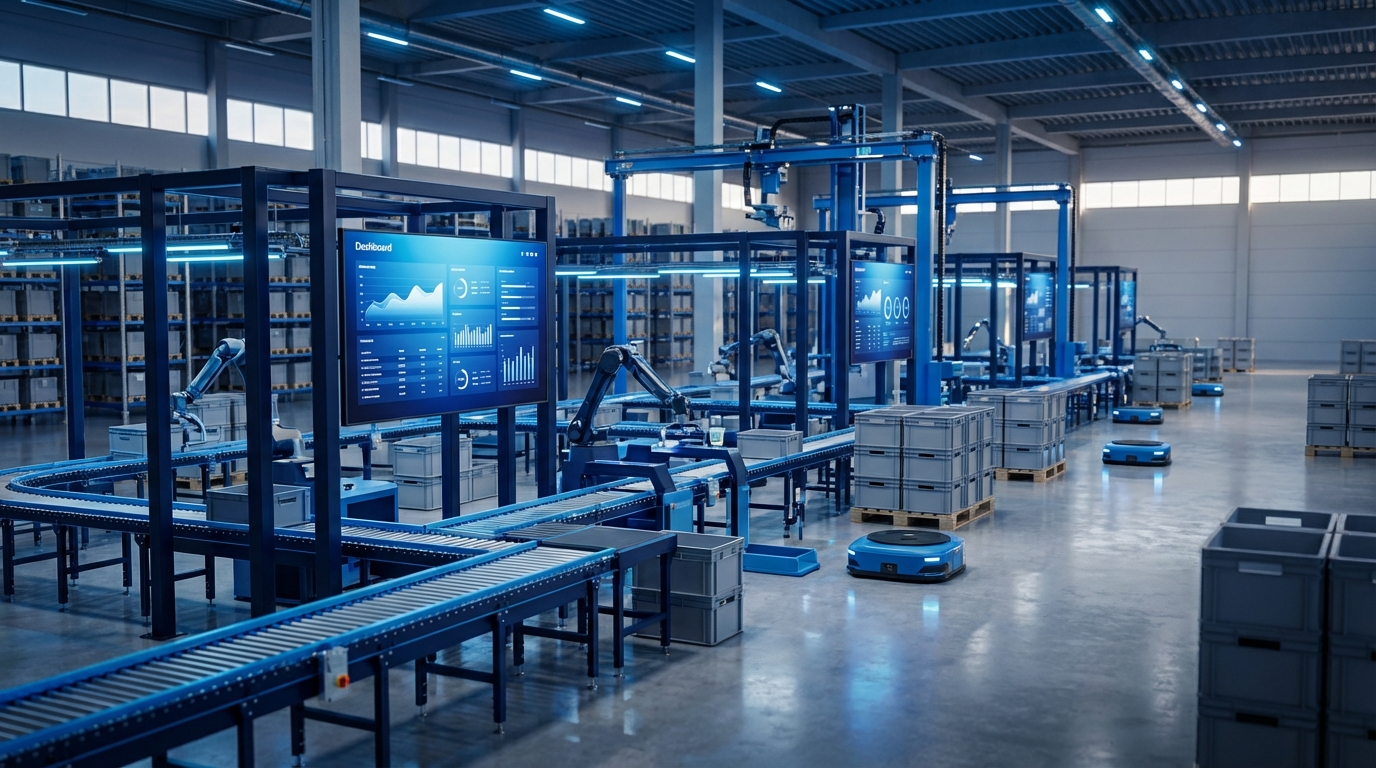
As 3PLs layer in automated storage systems, robotics, and sortation equipment, a critical challenge emerges: your WMS wasn't built to orchestrate these technologies in real-time. That's where warehouse execution systems (WES) come in—acting as the intelligent middleware that connects your core warehouse management platform with automated equipment while coordinating human labor.
Think of WES as the conductor for your warehouse operations. While your WMS handles inventory tracking and order management at a strategic level, WES makes split-second decisions about which system handles which task right now. Should this pick go to an autonomous mobile robot, a goods-to-person station, or a manual picker? WES evaluates capacity, location, and throughput in real-time to make that call.
Why This Matters for 3PL Operators
The value proposition is straightforward: you can add automation incrementally without ripping out your existing WMS. For operators managing multiple client requirements and SKU profiles, WES provides the flexibility to route work dynamically based on order characteristics. High-velocity e-commerce orders might flow through automated systems while complex B2B orders get manual handling—all orchestrated seamlessly.
This orchestration layer also future-proofs operations as automation technology evolves. Rather than being locked into a single vendor's ecosystem, WES platforms can integrate new equipment and robotics as they become available. For 3PLs evaluating automation investments, this architectural approach reduces risk and preserves optionality as the technology landscape shifts.