Reality Check: Warehouse Drones Aren't What You Think
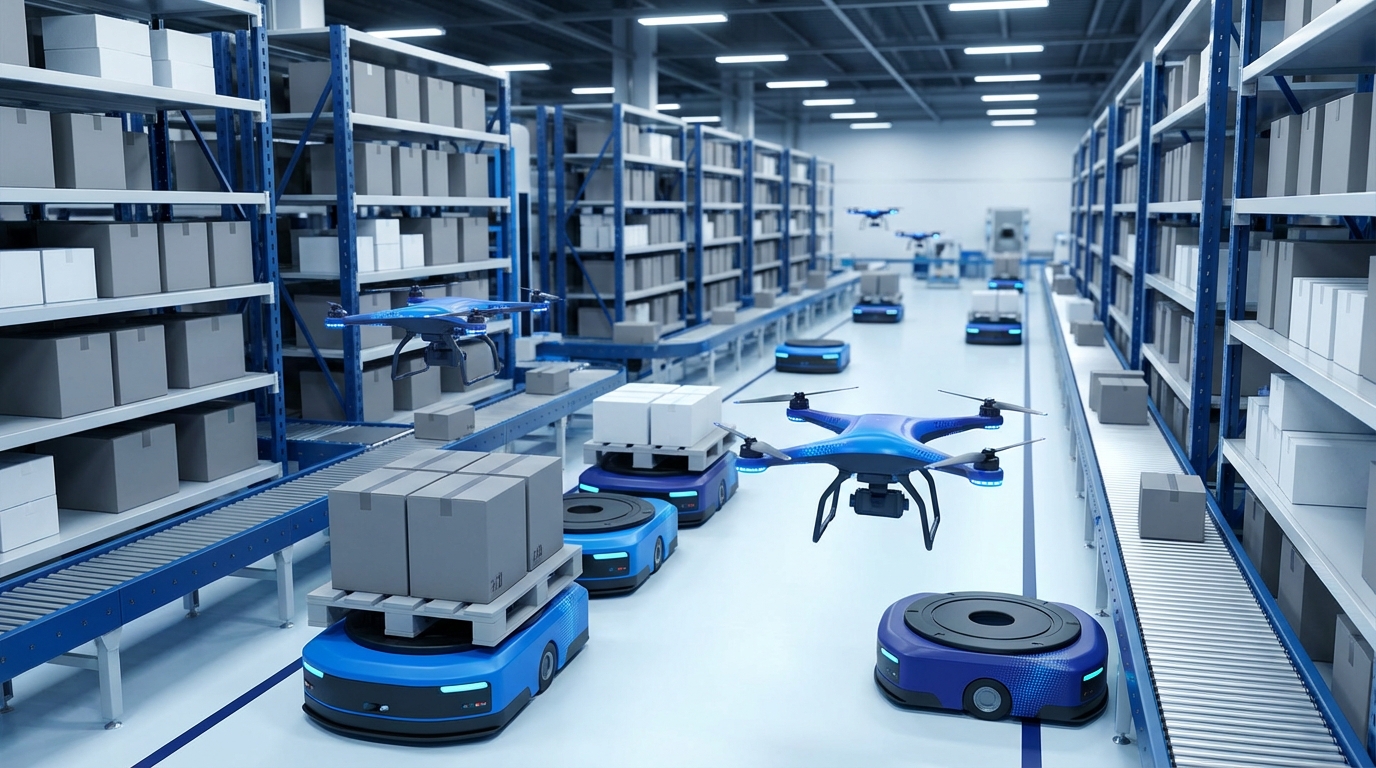
Autonomous drones are already flying inventory counts in real warehouses, but the conversations around them still sound like it's 2019. As the technology shifts from proof-of-concept to production deployment, five persistent myths keep coming up in 3PL planning meetings—and they're all getting in the way of practical adoption decisions.
The gap between perception and reality matters more now because early adopters are already seeing operational benefits while competitors hesitate over concerns that may not be relevant anymore. The technology has matured significantly, but the mental models many operators use to evaluate it haven't kept pace.
Why These Myths Persist
Part of the problem is that warehouse automation discussions often lump drones together with other emerging technologies that genuinely are disruptive and complex. But autonomous drones designed for inventory management operate differently than the ground-based robotics that require facility redesigns or the picking systems that demand process overhauls.
The assumptions about safety protocols, integration complexity, and workflow disruption made sense when drones were experimental. They make less sense now that multiple providers offer systems designed specifically for existing warehouse environments, with safety features and operational frameworks built around real facility constraints rather than lab conditions.
For 3PL operators evaluating whether autonomous drones fit their operation, the key isn't whether the technology works—it demonstrably does in multiple live facilities. The question is whether the specific implementation model matches their operational reality, and that requires getting past the outdated assumptions that often frame the initial conversation.