Automation-Ready Features Drive Container Innovation
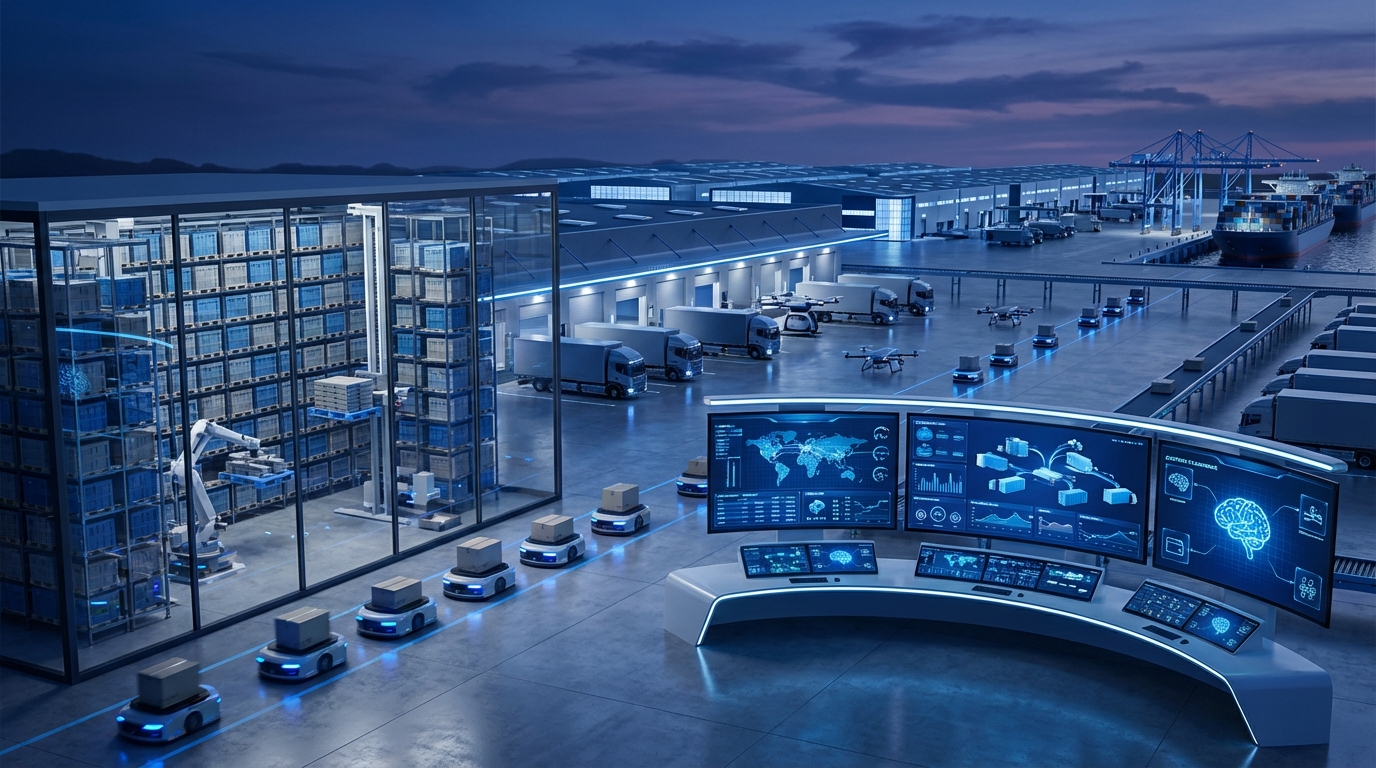
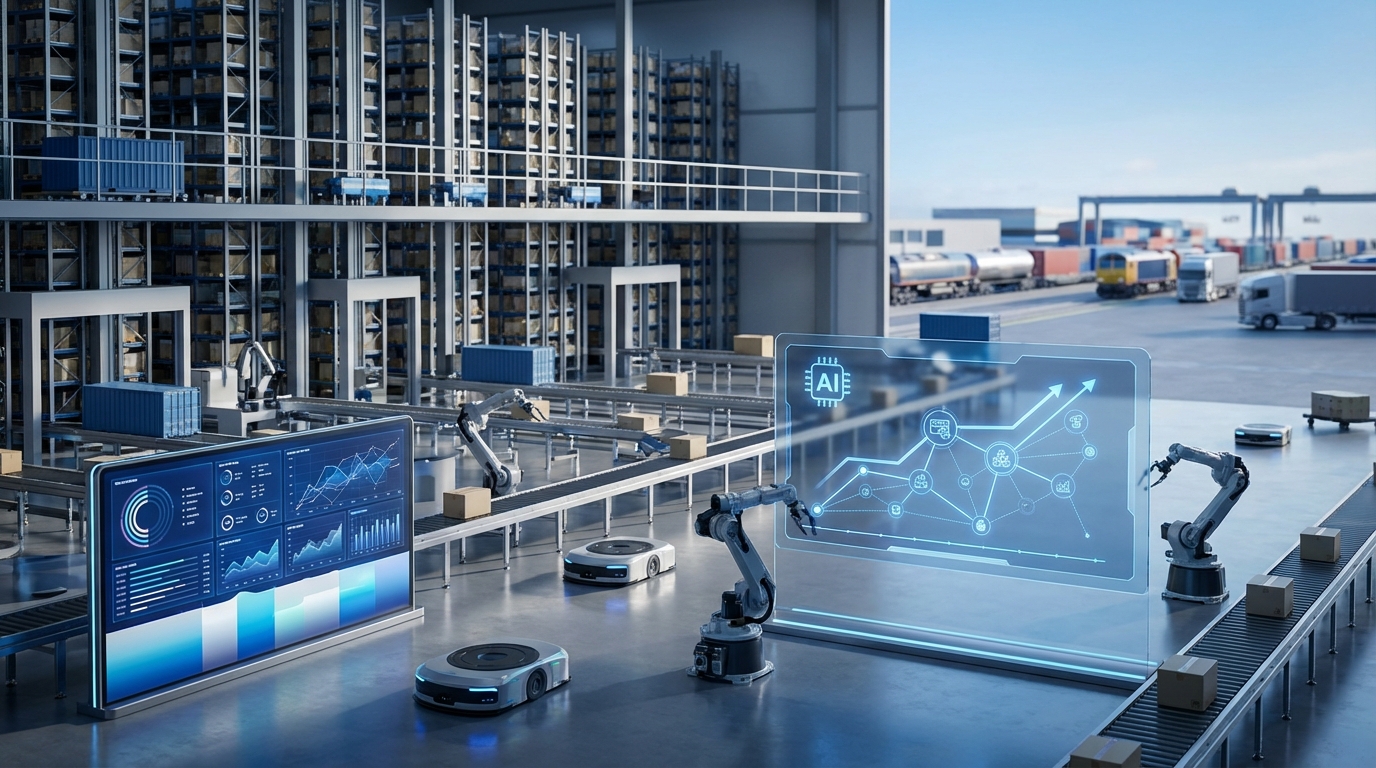
As warehouse automation accelerates across the industry, totes and containers are undergoing fundamental design changes to meet the demands of robotic systems and automated storage solutions. According to a new Supply Chain 24/7 report, manufacturers are developing next-generation containers that integrate seamlessly with automation while supporting sustainability and operational efficiency goals.
The shift toward automation-compatible design represents the most significant change in container manufacturing. "They're seeking automation-friendly design features like slots for vertical lifting, dimensional consistency, and flat surfaces for labels to be read by vision systems and other readers," explains Breanna Herbert, senior product manager at ORBIS Corp, a leading manufacturer of reusable containers for automated warehouses.
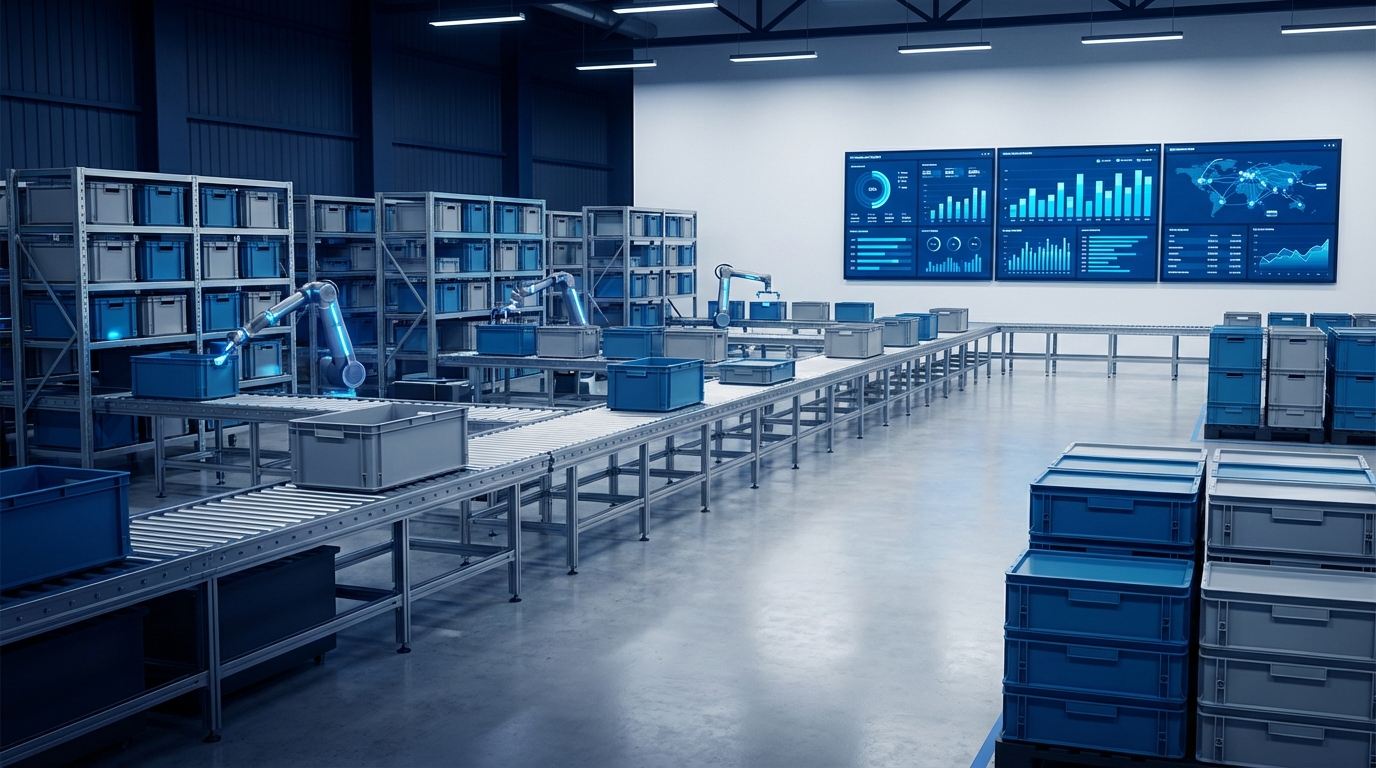
Precision manufacturing has become critical as even minor packaging flaws can halt automated systems. Reusable totes now feature precise dimensional consistency to move smoothly through conveyors, shuttles, and robotic handling systems. "When a warehouse is using automation, a consistent tote or pallet can prevent the inconsistencies seen in expendable packaging that cause system downtime," Herbert notes.
Customization Emerges as Core Requirement
The rapid adoption of diverse automation technologies is driving demand for customized container solutions. Warehouses implementing robots, mobile automation, and goods-to-person systems require specialized containers that match their unique operational requirements. "We're developing customized solutions for a lot of the automation, especially the little robots that many of these warehouse distribution centers are purchasing," says Green from MDI, a container manufacturer focusing on automation-compatible designs.
This trend reflects the reality that one-size-fits-all packaging no longer meets modern fulfillment demands. "Not every warehouse is moving the same products, so they need something that fits what they're doing," Green explains. MDI and other manufacturers are engineering containers specifically for automated systems, working closely with customers to prevent jamming, tipping, or premature wear.
End-to-End Process Integration
Leading-edge operations are implementing container systems that support products through entire fulfillment processes without repacking. At major athletic footwear distribution centers, Flexcon's molded plastic totes move seamlessly through automated operations from receiving to shipping. This approach eliminates handling steps and reduces labor costs while maintaining product integrity.
Cole Beckerman, manager of marketing and development at Flexcon, observed these integrated systems firsthand during recent facility visits. The setup demonstrates how modern containers support goods-to-person automation and other advanced fulfillment technologies becoming standard in high-volume operations.
Industry Impact and Future Outlook
These container innovations directly support the broader warehouse automation trend reshaping logistics operations. As companies invest heavily in robotic systems and automated storage solutions, container compatibility has become a baseline requirement rather than an optional feature. The emphasis on sustainability through reusable designs also aligns with corporate environmental initiatives across the supply chain sector.
Looking ahead, container manufacturers expect customization demands to intensify as more diverse automation technologies enter warehouses. The goal remains consistent: enabling automation systems to integrate seamlessly with existing operations while maximizing efficiency and minimizing downtime. For logistics operators planning automation implementations, container compatibility considerations are becoming as critical as the automation technology selection itself.
📰 Source: This article is based on content from Supply Chain 24/7.
Additional research from 5 sources consulted for context and accuracy.