Automation Solutions Address Critical Trade Compliance Bottlenecks
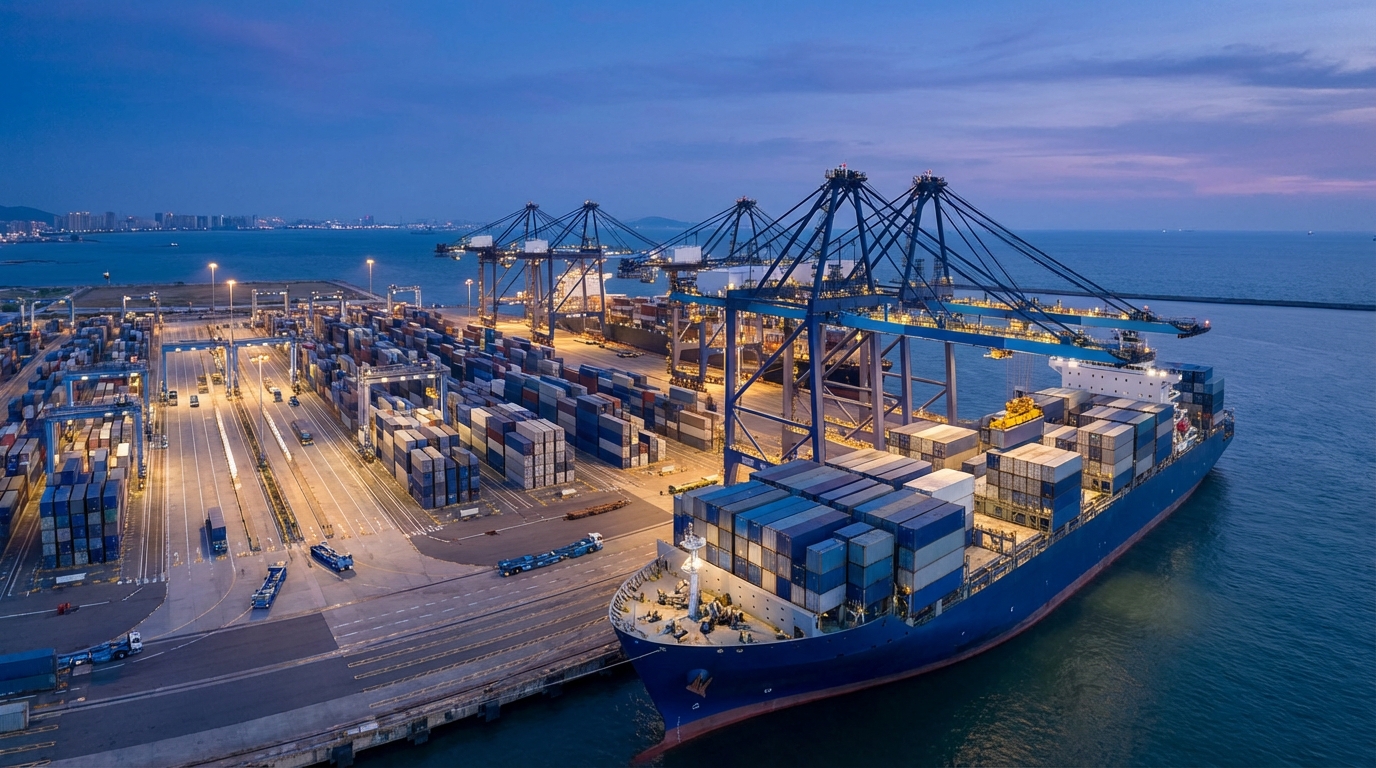
Global supply chains are hemorrhaging millions of dollars annually due to outdated customs classification systems that rely heavily on manual processes and fragmented data management, according to industry experts. As international trade volumes continue to surge, the disconnect between modern logistics demands and antiquated classification methods is creating significant operational and financial risks for companies worldwide.
Every item crossing international borders must receive a Harmonized System (HS) code, which determines tariffs, regulatory treatment, and trade statistics. Despite covering more than 5,000 commodity groups, this critical process remains largely manual across most organizations, managed through spreadsheets and disparate internal databases that create costly inconsistencies.
"The same product may receive different codes across regions, raising red flags during audits," explains Juliet Mirambo, a supply chain expert writing for SupplyChainBrain. "A company shipping wireless headsets, for example, may classify them under 'audio equipment' in one market and 'communication devices' in another, each carrying different tariff rates."
The financial implications extend far beyond tariff discrepancies. Companies managing thousands of SKUs across multiple markets report that even minor classification error rates translate into millions in annual losses through penalties, shipment delays, and audit disputes. In pharmaceutical supply chains, misclassified active ingredients can trigger detentions that cascade through production schedules, ultimately impacting patient care globally.
AI-Powered Solutions Emerge as Game-Changers
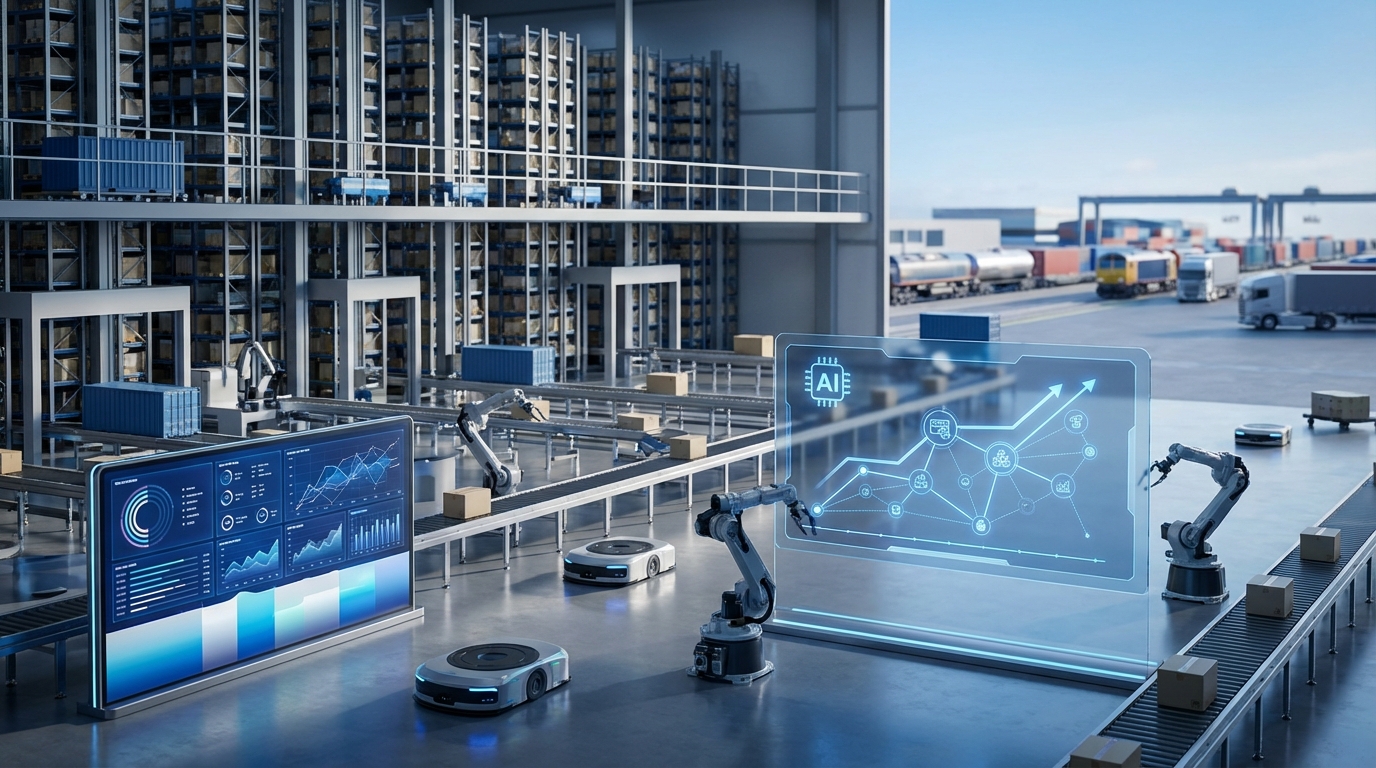
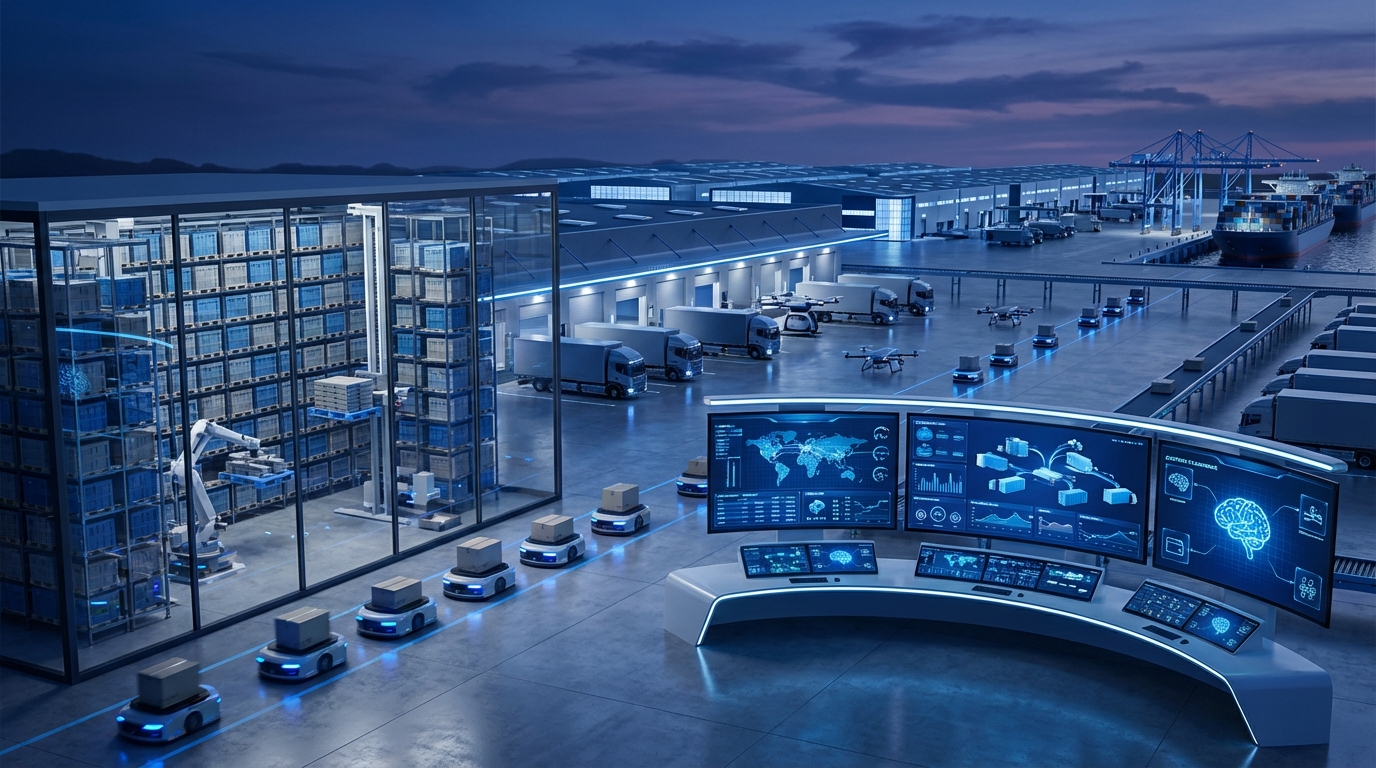
Artificial intelligence is now positioning itself as a transformative solution to these persistent challenges. Advanced AI systems utilizing natural language processing and machine learning can analyze product descriptions, attributes, and historical data to predict correct HS codes with unprecedented accuracy while adapting to evolving regulations in real-time.
"Trained on millions of product records, AI models detect linguistic and technical patterns that humans frequently miss," the analysis reveals. "They understand that 'men's cotton T-shirt' and '100% cotton knit top' refer to the same category, regardless of phrasing."
Companies like Avalara have already introduced AI-driven tariff code classification solutions that integrate directly with enterprise resource planning systems and e-commerce platforms. These automated systems provide confidence scores and complete audit trails, transforming classification from a supply chain bottleneck into a transparent, collaborative workflow.
Implementation Requires Strategic Approach
While the technology offers significant promise, successful adoption requires more than simply deploying new software. Industry leaders emphasize that organizations must establish robust data governance frameworks and cultural readiness to delegate regulatory decisions to algorithmic systems.
Modern AI classification platforms address these concerns through transparency and auditability. Advanced dashboards show why specific codes were selected, link to relevant regulations, and outline reasoning processes step-by-step. This approach transforms AI from an opaque "black box" into a trusted partner that enhances rather than replaces human expertise.
The benefits extend throughout supply chain operations. Well-implemented AI engines reduce customs delays, ensure global classification consistency, improve landed cost calculations, and strengthen sourcing and forecasting decisions. Perhaps most importantly, they deliver scalability that traditional teams cannot match, allowing automation to handle repetitive classifications while experts focus on exceptions and regulatory nuances.
Industry Transformation Accelerates
As global trade complexity continues to increase, the pressure for classification accuracy and efficiency intensifies. Companies that embrace AI-powered solutions position themselves to capture significant competitive advantages through reduced compliance costs, faster customs clearance, and improved supply chain visibility.
The transformation represents a fundamental shift in how organizations approach trade compliance. Rather than viewing customs classification as a necessary operational burden, forward-thinking companies are leveraging AI to turn it into a strategic advantage that supports broader supply chain optimization and business growth objectives.
📰 Source: This article is based on content from SupplyChainBrain.
Additional research from 5 sources consulted for context and accuracy.