The AI Agent Adoption Gap in Logistics
Nearly half of logistics leaders are taking a wait-and-see approach to agentic AI, according to a recent ORTEC survey. The research found that 42% of industry executives haven't yet implemented AI agents—autonomous systems capable of making complex decisions without human intervention—in their operations.
The findings reveal a cautious stance among logistics professionals toward what many consider the next evolution in supply chain automation. While traditional AI tools have become commonplace for tasks like demand forecasting and route optimization, agentic AI represents a step change: systems that can independently analyze situations, make decisions, and take action across multiple variables.
ORTEC's research positions 2026 as a pivotal year for the technology. For 3PL operators and logistics providers, this creates a strategic question: jump in early to gain competitive advantage, or wait for more proven use cases and ROI data from early adopters.
What This Means for 3PLs
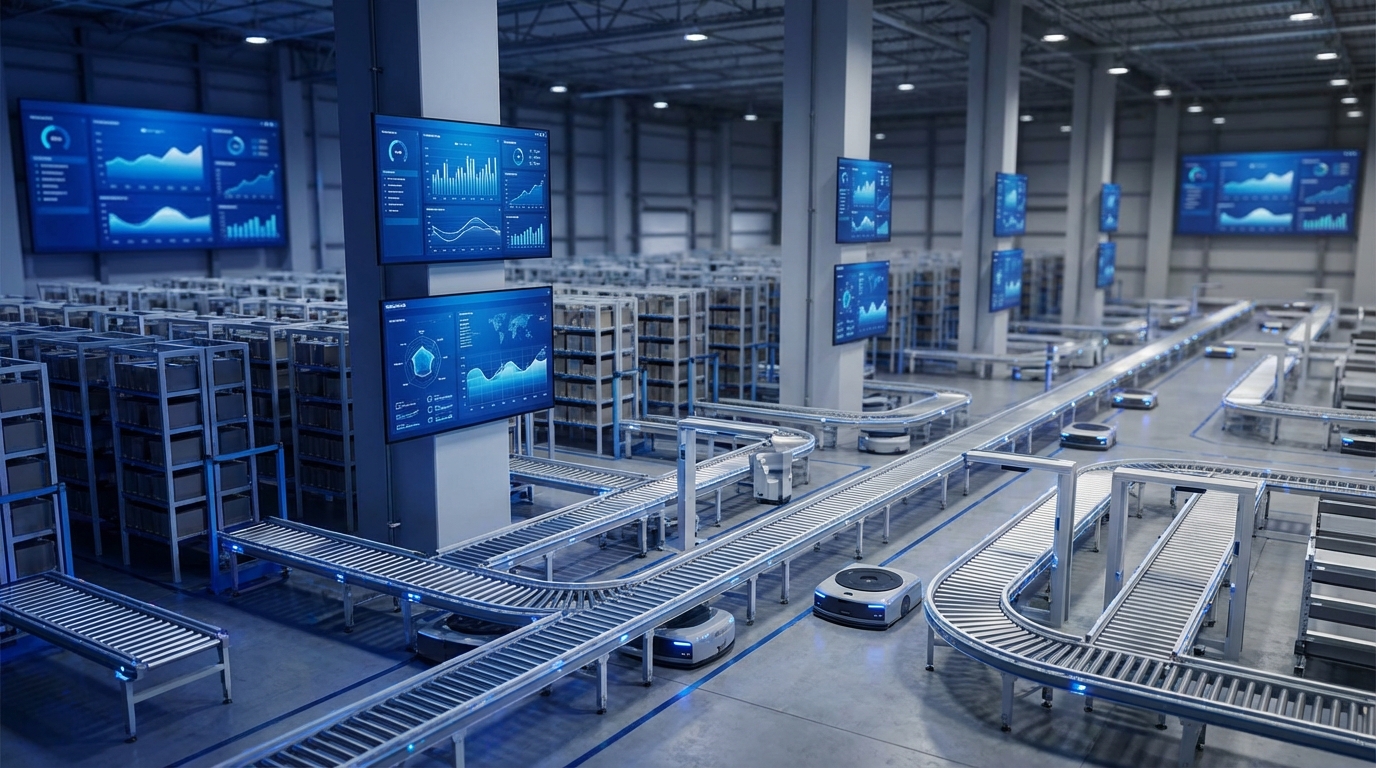
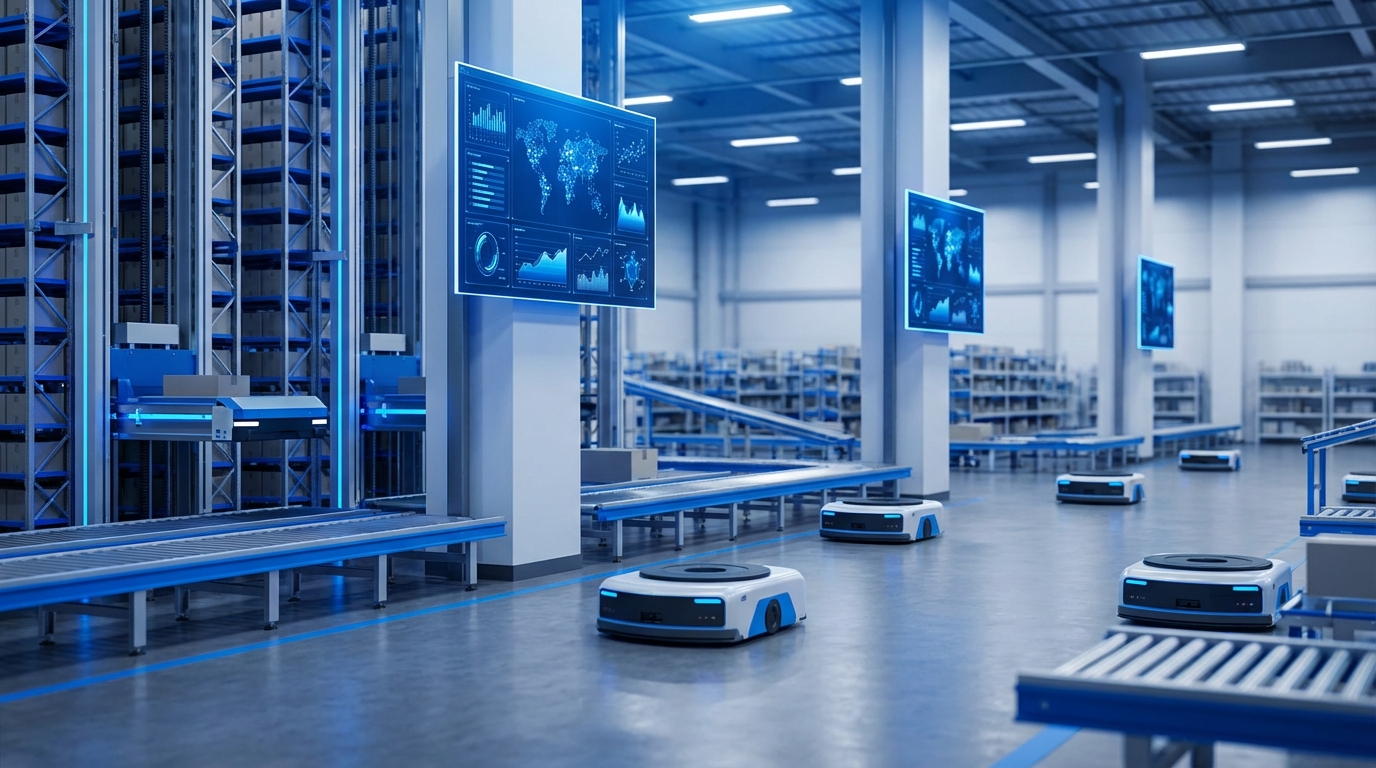
The 58% who are exploring or implementing agentic AI are betting on significant operational advantages—from autonomous load planning to self-optimizing warehouse operations. But the substantial holdout group suggests legitimate concerns about implementation complexity, cost, and whether the technology can deliver on its promises in messy, real-world logistics environments.
For fulfillment operators, the next 18 months will likely separate hype from reality. Those sitting on the sidelines have time to evaluate early results, while early movers could establish operational advantages that become harder to replicate as the technology matures.