Fleets Using AI to Catch Problems Before They Become Crashes
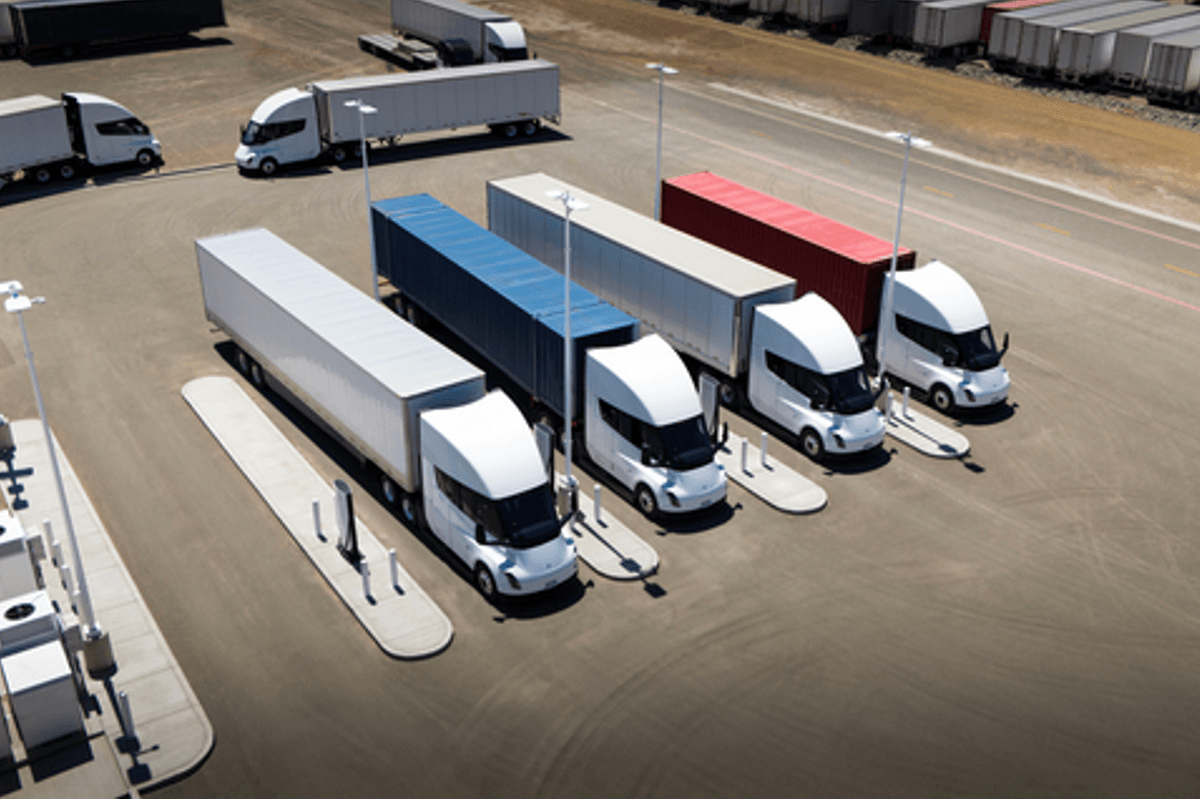
The math on fleet safety is changing. According to Motive's 2025 road safety report, fleets equipped with AI-powered dashcams are seeing fewer major crashes—not because drivers suddenly got better, but because the technology is catching dangerous behavior before it escalates into an accident.
The shift represents a fundamental change in how 3PLs and logistics providers approach safety. Instead of analyzing what went wrong after a crash, AI systems are flagging near-miss events in real time, giving fleet managers actionable data about risky patterns before they result in damage, injuries, or liability claims.
Motive's report highlights that while major crashes decreased in 2025, certain driver behaviors and specific times of day continue to create elevated risk on the road. The data doesn't specify exact crash reduction percentages or which behaviors pose the greatest threat, but the trend is clear: fleets that can identify and address near-misses are staying ahead of costly incidents.
Why This Matters for 3PL Operations
For logistics providers, the implications go beyond safety metrics. Fewer crashes mean lower insurance premiums, reduced vehicle downtime, and protection against the litigation costs that can follow serious accidents. AI-powered safety systems also provide documented evidence of proactive risk management—increasingly important as insurance carriers scrutinize fleet safety programs.
The challenge now is translating near-miss data into driver coaching that actually changes behavior. Having the technology to spot problems is one thing; building a safety culture that responds to those insights without creating driver pushback is another. Fleets that crack that code are the ones seeing real results in their crash rates.