Returns Season Becomes Second Peak for Warehouse Operators
If you thought things would slow down after the holidays, think again. Logistics operators are dealing with what many now call a "second peak"—the massive wave of returns flooding warehouses every January. With the National Retail Federation projecting nearly $850 billion in returns for 2025, warehouse operators are turning to the same technology that got them through peak season to handle the reverse logistics surge.
"[January is] absolutely a second peak," says Kait Peterson, vice president and head of marketing at Locus Robotics. "Many people don't know that we handle a lot of putaway and returns with our robots, in addition to picking. When we see an increase in peak season, we see an increase in returns."
Locus deployed 3,000 peak-season robots to customers as of late November under its robots-as-a-service model. The key detail for 3PLs: those robots typically stay deployed through the end of January specifically to handle returns-related activity. It's a practical acknowledgment that the busy season doesn't really end when the calendar flips to the new year.
Same Robots, Different Direction
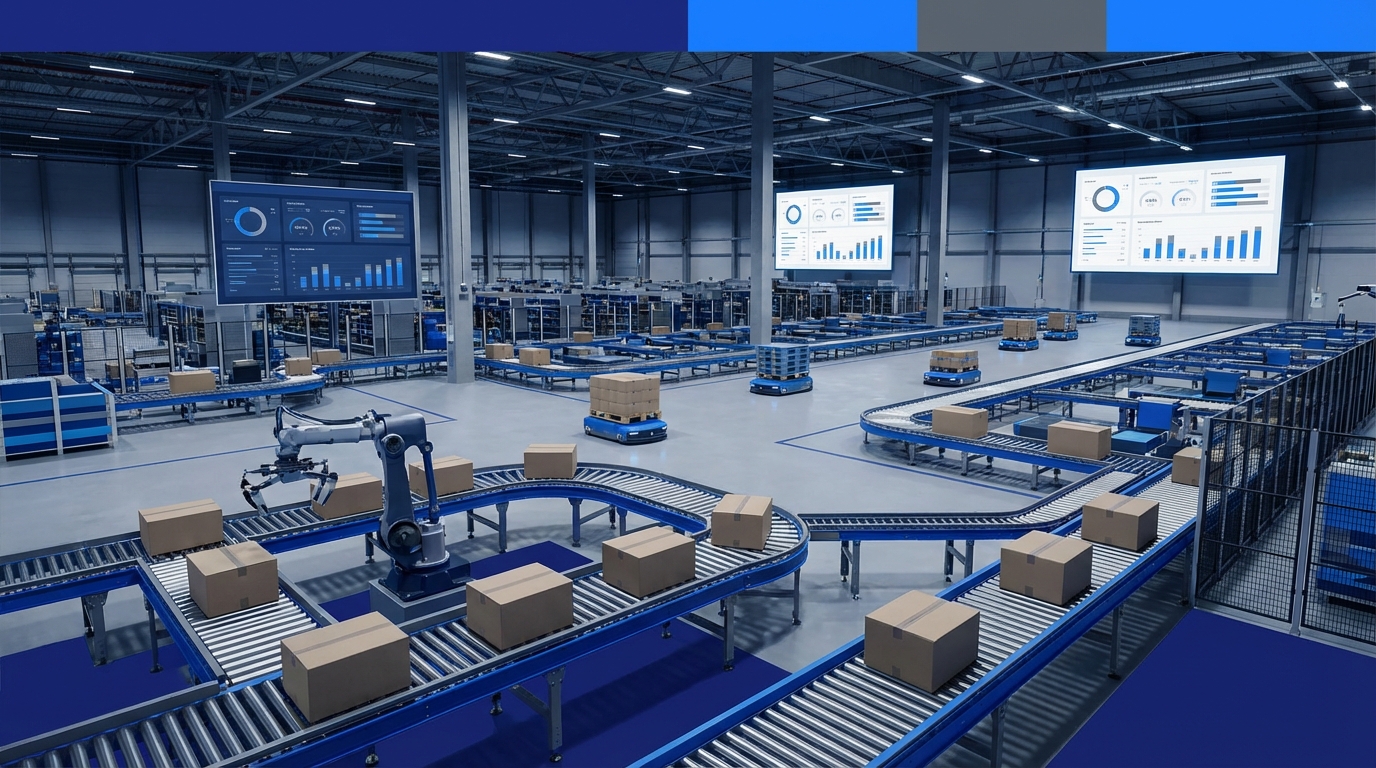
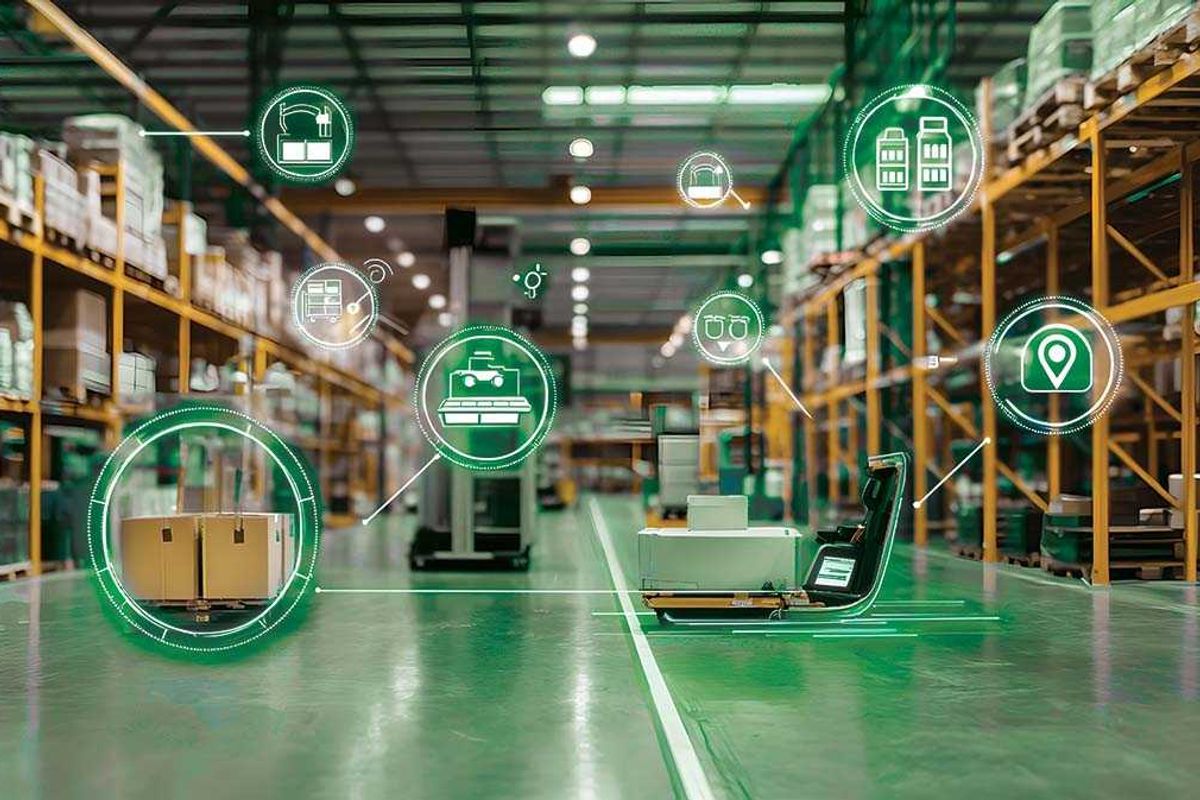
The autonomous mobile robots that spent December guiding workers through picking tasks are now working in reverse. Locus Robotics' AMRs use the same interface for putaway as they do for picking—the robots visually guide workers to locations, carry the load, and eliminate the need for workers to push heavy carts through the warehouse.
For putaway operations, the robots can move individual items, containers, or cases from receiving to storage. This flexibility matters during returns season when warehouses are processing a mix of individual items and bulk returns simultaneously. The robots handle the navigation and heavy lifting while workers focus on the actual sorting and placement decisions.
The broader shift toward tech-based solutions for reverse logistics reflects the reality that returns are no longer an afterthought—they're a core operational challenge that requires the same level of automation and efficiency as outbound fulfillment. For 3PLs managing multiple clients' returns simultaneously, that means the same robotic infrastructure can flex between forward and reverse logistics without requiring separate systems or additional labor.