Industry Expert Argues Blockchain Infrastructure Critical for Resolving Persistent Supply Chain Data Fragmentation
Supply chain operators continue to struggle with data fragmentation and trust issues despite significant investments in visibility technologies, according to a new analysis from the BSV Association. Bryan Daugherty, Global Public Policy Director at the organization, argues that blockchain infrastructure represents the missing piece needed to establish verifiable, tamper-proof data as the foundation of modern logistics operations.
The logistics industry has deployed increasingly sophisticated technologies including automation, predictive analytics, and digital freight platforms, yet persistent problems remain around mismatched data, unverifiable milestones, and lengthy dispute resolution processes. Daugherty points to a fundamental structural issue where "each enterprise manages its own internal ledger of activities, none of which agrees without reconciliation."
"A shipment may register as 'delivered' in a carrier's portal, 'in transit' in a 3PL's feed and be missing entirely from a retailer's platform," Daugherty explained in his analysis published by Supply Chain Brain. This fragmentation creates what he describes as "digital quicksand" that undermines operational efficiency despite technological advances.
Beyond Traditional Visibility Solutions
Current visibility platforms have struggled to deliver on promises of becoming a "single source of truth," according to the analysis. While these systems can aggregate data streams from multiple sources, they cannot guarantee the accuracy of status updates or resolve discrepancies between competing versions of events. This limitation has exposed what Daugherty calls a fundamental flaw: "What most companies call visibility is merely a view into one party's version of events."
Blockchain technology offers a different approach by functioning as a decentralized, auditable logbook where supply chain events are digitally signed, time-stamped, and permanently recorded. Once data is added to the blockchain, it cannot be changed without detection, transforming operational milestones from claims into confirmed facts.
Three Key Application Areas
The analysis identifies three areas where blockchain-anchored data can deliver immediate value. First, settlements and disputes could be significantly streamlined through automated payments based on verified delivery timestamps and condition reports recorded on a shared ledger. Even contentious processes like detention billing could shift from subjective negotiation to objective, minute-by-minute evidence.
Second, artificial intelligence and predictive analytics systems would benefit from clean, validated data inputs. Current AI models often produce flawed recommendations when trained on inconsistent or incomplete data. Blockchain creates what Daugherty describes as a "clean, validated data environment" that elevates AI systems "from experimental tools to enterprise-grade decision engines."
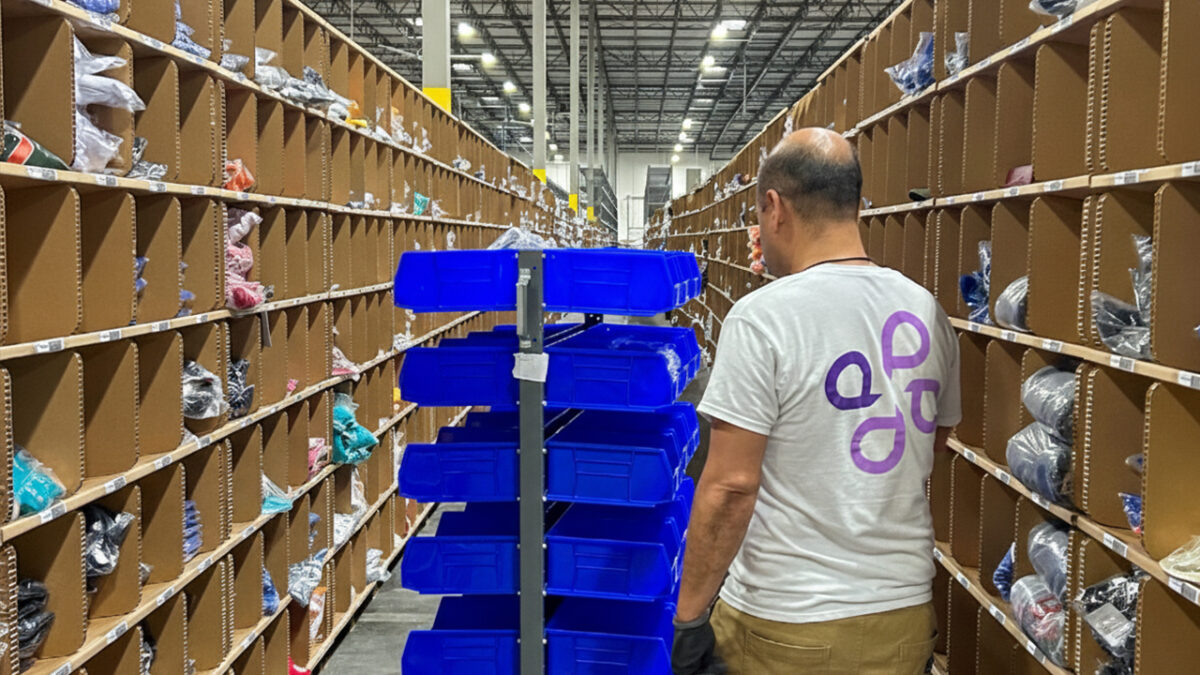
Third, warehouse and supply chain orchestration could leverage blockchain as a digital "black box" for logistics, creating permanent operational histories from every scan, sensor reading, and location update. This unified data stream would strengthen inventory accuracy and enable performance-based contracting with verifiable evidence.
Implementation Requirements
For widespread adoption, the logistics industry requires blockchain infrastructure with four core capabilities: scalability to handle billions of daily events, low-cost data fees measured in fractions of a cent, protocol stability for enterprise predictability, and data-centric design supporting supply chain-specific requirements.
Implementation doesn't require replacing existing transportation management systems, warehouse management systems, or enterprise resource planning platforms. Instead, companies can begin by gradually integrating verifiable data into existing operations, starting with recording agreements and plans on blockchain before expanding to operational milestones and automated payments.
As supply chains continue seeking solutions for persistent data fragmentation issues, blockchain technology is positioning itself as essential infrastructure for establishing the trust and transparency that modern logistics operations require.
📰 Source: This article is based on content from SupplyChainBrain.
Additional research from 5 sources consulted for context and accuracy.